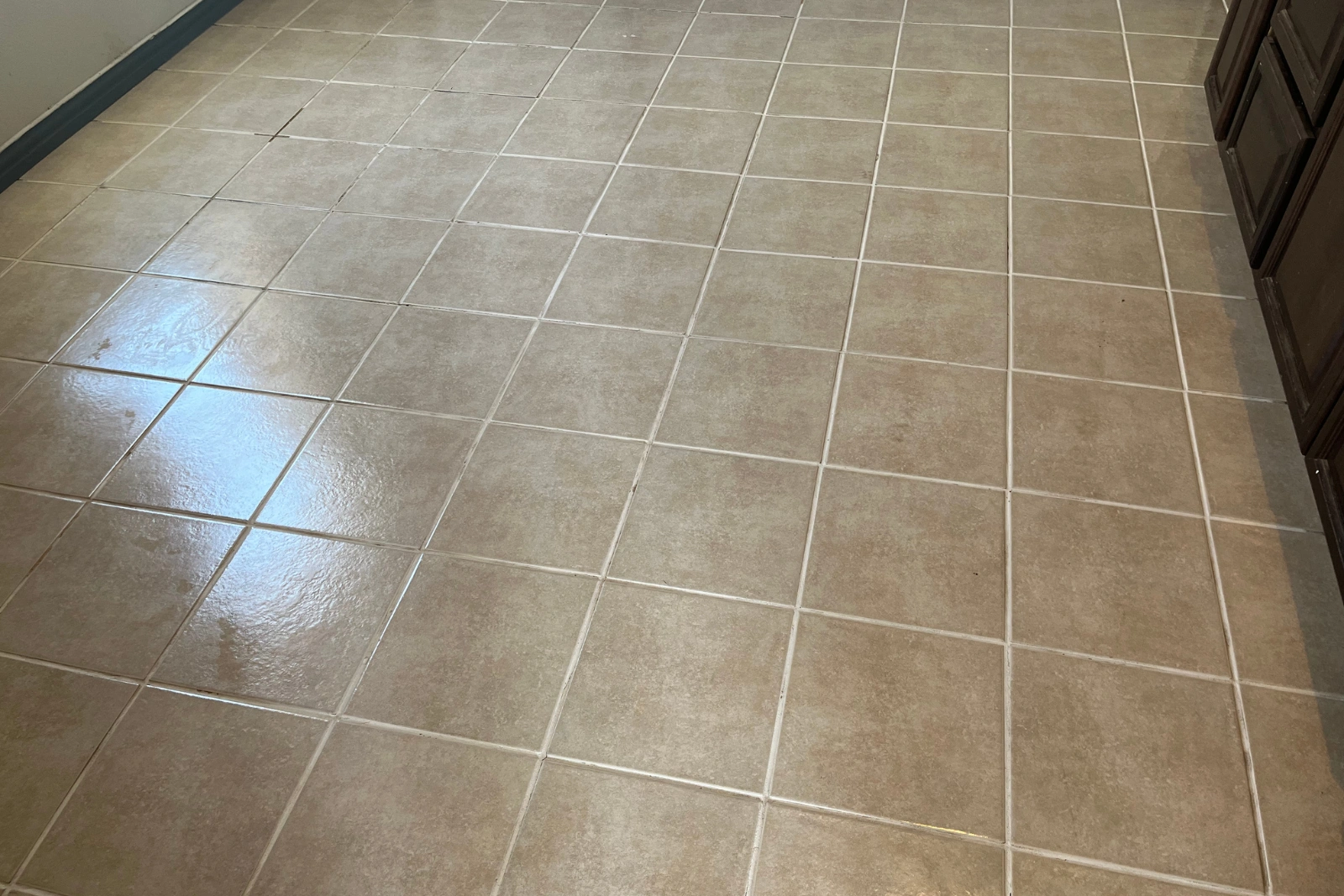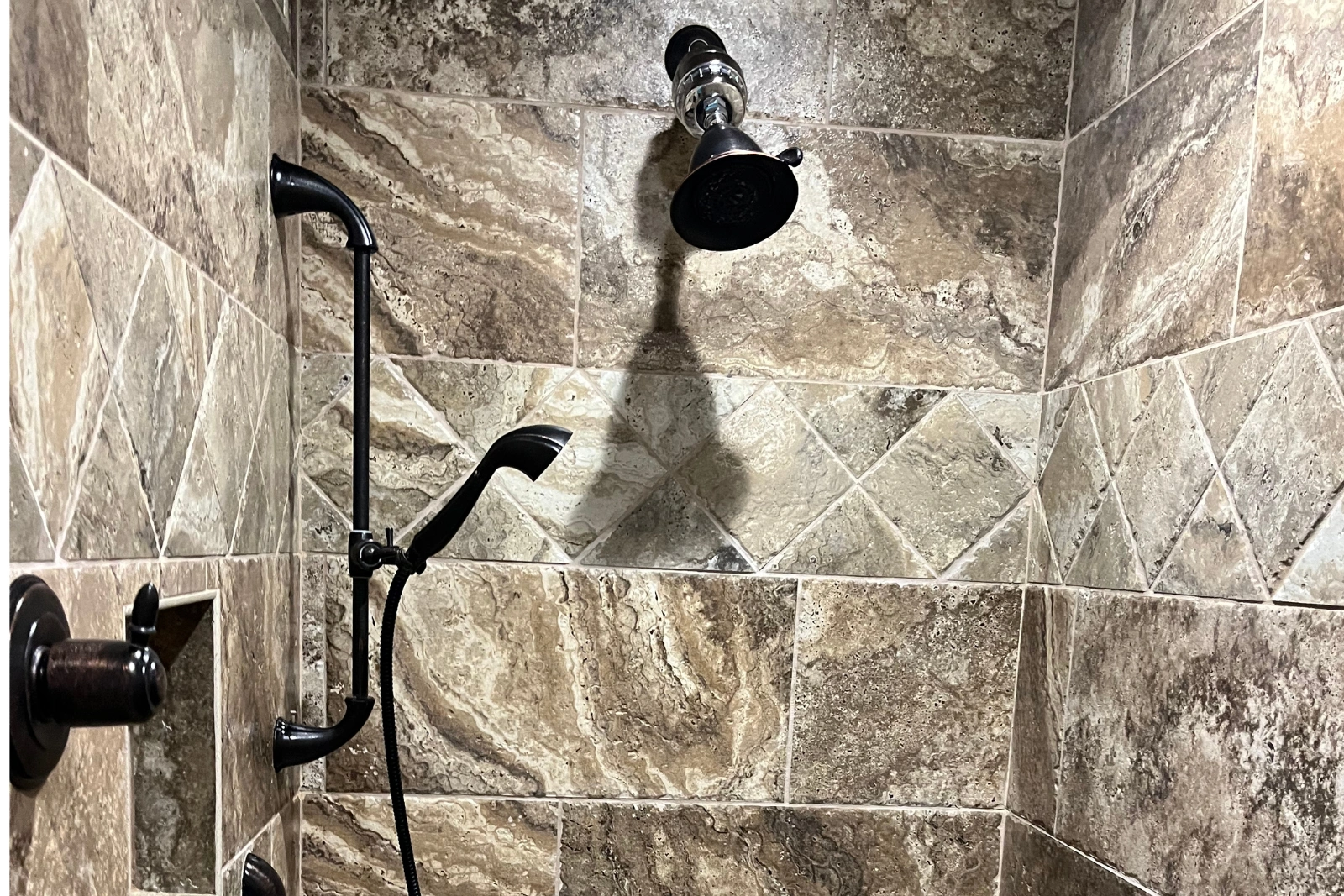

You clean your travertine floors regularly, yet they still look dull, worn, or uneven. Even after professional travertine cleaning in Amarillo, the surface may look cleaner, but never quite returns to its original color or smooth finish. This often occurs when wear goes deeper than surface buildup and affects the stone itself.
Travertine is known for its durability, but it is also porous and sensitive to long-term foot traffic. When cleaning no longer delivers visible improvement, it usually means the stone needs corrective care rather than another routine cleaning cycle. Understanding what to look for helps you protect your stone surfaces before wear becomes more costly to correct.
Why Travertine Cleaning Stops Delivering Visible Results
Travertine cleaning removes dust, residue, and light surface staining. Over time, however, daily traffic and abrasive grit slowly wear down the protective finish and open the stone’s pores. Once this occurs, soil settles below the surface where standard cleaning methods cannot reach.
- Pores widen and trap embedded dirt
- Surface etching dulls the natural finish
- Stains settle below the visible layer
When these conditions exist, cleaning improves hygiene but not appearance. Recognizing when cleaning has reached its limit helps prevent long-term damage to the stone.
How to Identify Wear Below the Travertine Surface
Understanding what you see on your stone surfaces helps determine the right next step. Visual and textural changes often indicate that the stone itself has been affected.
- Dull areas that do not improve after cleaning
- Darkened grout lines that return quickly
- Uneven texture or light pitting underfoot
These signs suggest that the travertine surface has been compromised. Supporting proper care at this stage prevents further wear and keeps restoration options more manageable.
When Stone Surface Restoration Becomes Necessary
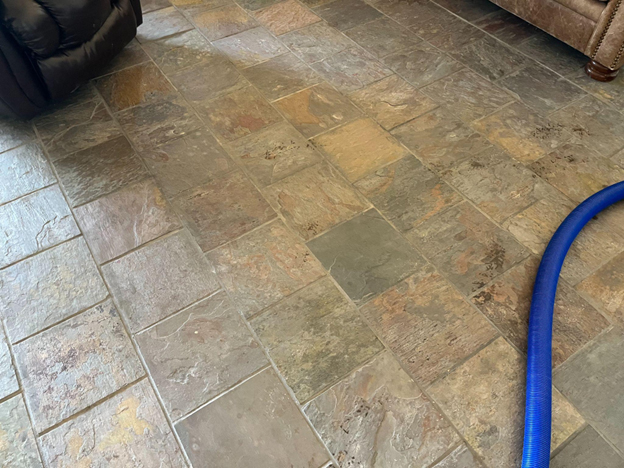
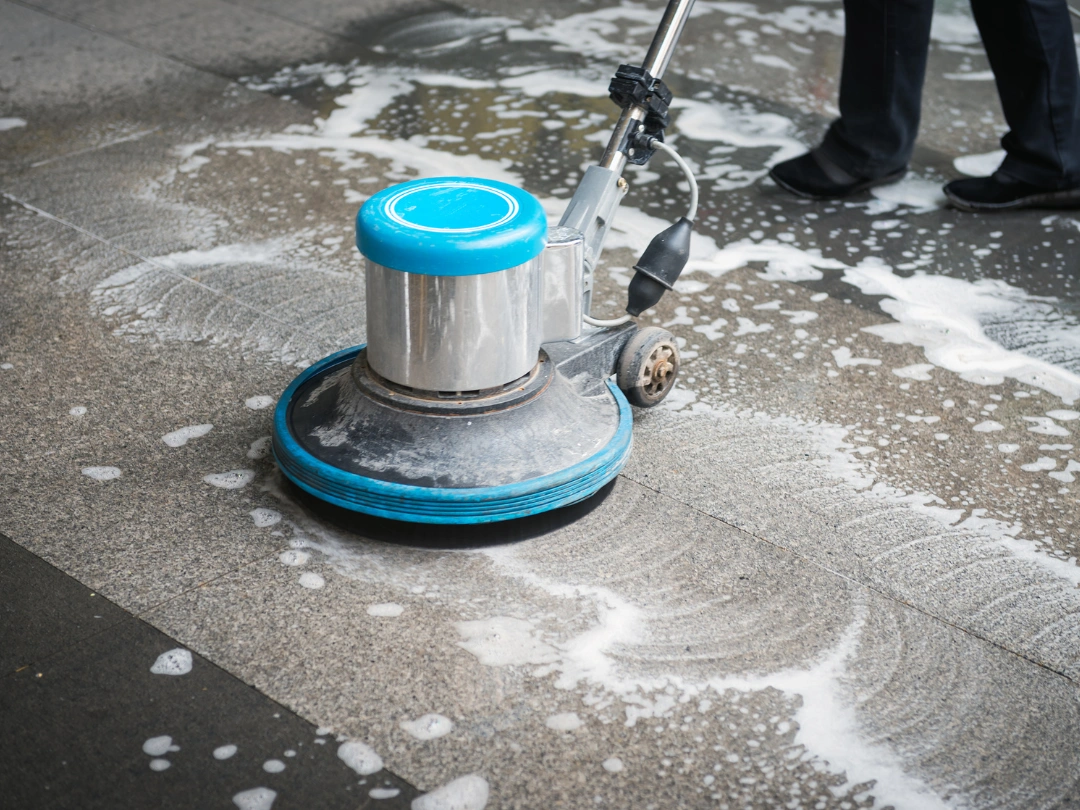
Stone surface restoration in Amarillo focuses on repairing worn travertine rather than simply cleaning it. Restoration addresses damage within the stone and resets the surface so it can perform as intended.
- Honing smooths etched and worn areas
- Repairs correct small pits and surface flaws
- Sealing protects the stone from future absorption
Restoration supports long-term durability and helps maintain a consistent appearance across high-traffic areas. It also creates a more stable surface that responds better to ongoing maintenance.
The Role of Travertine Polishing in Appearance Recovery
When travertine loses its reflective quality, travertine polishing in Amarillo becomes an important step. Polishing refines the stone surface after restoration and enhances light reflection.
| Condition | Cleaning | Polishing |
|---|---|---|
| Surface dirt buildup | Effective | Not required |
| Dull, etched stone | Limited improvement | Restores finish |
| Uneven shine | No correction | Improves consistency |
Polishing supports visual clarity while making the stone easier to maintain moving forward.
Why Waiting Too Long Increases Restoration Complexity
Delaying proper care allows wear to deepen. As pores remain open, dirt and moisture penetrate further into the stone, increasing long-term maintenance needs and limiting restoration flexibility.
- Stains become harder to remove
- Surface pitting expands over time
- Grout absorbs more debris and darkens
Addressing travertine issues early supports better restoration results and reduces the need for aggressive correction later.
How Climate and Foot Traffic Affect Travertine Longevity
In areas with frequent dust and daily foot traffic, travertine surfaces experience accelerated wear. Fine grit acts like sandpaper, slowly dulling the finish and opening pores even when floors are cleaned regularly.
- Entryways wear faster than interior rooms
- Commercial spaces show wear sooner than residential areas
- Inconsistent maintenance increases surface breakdown
Understanding these factors helps you plan care strategies that align with how your space is actually used.
Frequently Asked Questions
Why does travertine still look dull after professional cleaning?
Travertine may appear dull when etching or pore damage exists below the surface. Cleaning removes soil but does not repair stone wear.
Is restoration always required for worn travertine floors?
Not always. Restoration is needed when wear affects the stone’s structure. Light wear may only need polishing, while more serious damage requires full restoration.
How does polishing affect long-term travertine maintenance?
Polishing smooths the surface, which reduces soil retention and makes routine cleaning more effective over time.
Preserving Stone Surface Beauty in Amarillo
When travertine cleaning no longer restores the look of your stone, it is a sign that deeper care is needed. Evaluating surface wear, understanding when stone surface restoration is appropriate, and recognizing the role of travertine polishing help protect both appearance and durability. These factors matter because untreated wear leads to faster deterioration and higher maintenance costs. Applying this guidance allows you to make informed decisions and preserve your stone surfaces with confidence.
Amarillo Dry Carpet provides practical, local insight into stone care and restoration.
📞 Call Amarillo Dry Carpet & Cleaning Services today at 806-553-2077
🏢 Visit amarillodrycarpetcleaning.com
📍 Serving Amarillo and surrounding areas