Carpet is one of the largest surfaces in any home, and in the Texas Panhandle it works harder than almost anywhere else. Between windblown grit, seasonal pollen, pets, and the daily traffic of a busy household, carpet absorbs a great deal before it ever looks dirty. By the time traffic lanes turn gray and the carpet feels stiff underfoot, the soil has usually been building for a long time.
This guide explains how professional carpet cleaning works in Amarillo, what makes low-moisture cleaning different from the truck-mounted hot-water extraction method many people picture, what the process looks like in a home or business, how often carpet should be cleaned, and what to ask before you book. It also covers related surfaces often handled in the same service plan, including area rugs, upholstery, and hard floors.
Why Carpet in Amarillo Needs Professional Cleaning
Carpet does not simply get dirty on the surface. Fibers hold soil in different ways, and each type responds to a different part of the cleaning process.
- Dry particulate soil. Sand, grit, and fine mineral dust are tracked in from driveways, job sites, sidewalks, yards, and open country. In a dry, windy climate, this soil is common and abrasive. Grit can wear against carpet fibers every time someone walks across it.
- Oily and sticky soil. Body oils, cooking residue, spills, pet oils, and airborne film bind to fibers and make traffic lanes look darker than the surrounding carpet.
- Bonded soil. Some material attaches to the fiber strongly enough that normal vacuuming will not release it.
Regular vacuuming matters because it removes a large share of loose particulate before foot traffic grinds it deeper into the pile. What vacuuming cannot do by itself is release oily film and bonded soil. That requires the combination of a cleaning agent, mechanical agitation, dwell time, and extraction.
Local conditions matter. Amarillo homes deal with dry air, wind, outdoor grit, seasonal pollen, and hard-water conditions. A cleaner who works in the Panhandle regularly should account for the fiber, soil load, water chemistry, and how the room is actually used rather than applying one process to every carpet.
What Low-Moisture Carpet Cleaning Actually Is
Most people have one mental image of carpet cleaning: a hose running from a van, hot water forced into the carpet, and a long drying period afterward. That is hot-water extraction, commonly called steam cleaning. It is a legitimate method, but it is not the only professional method.
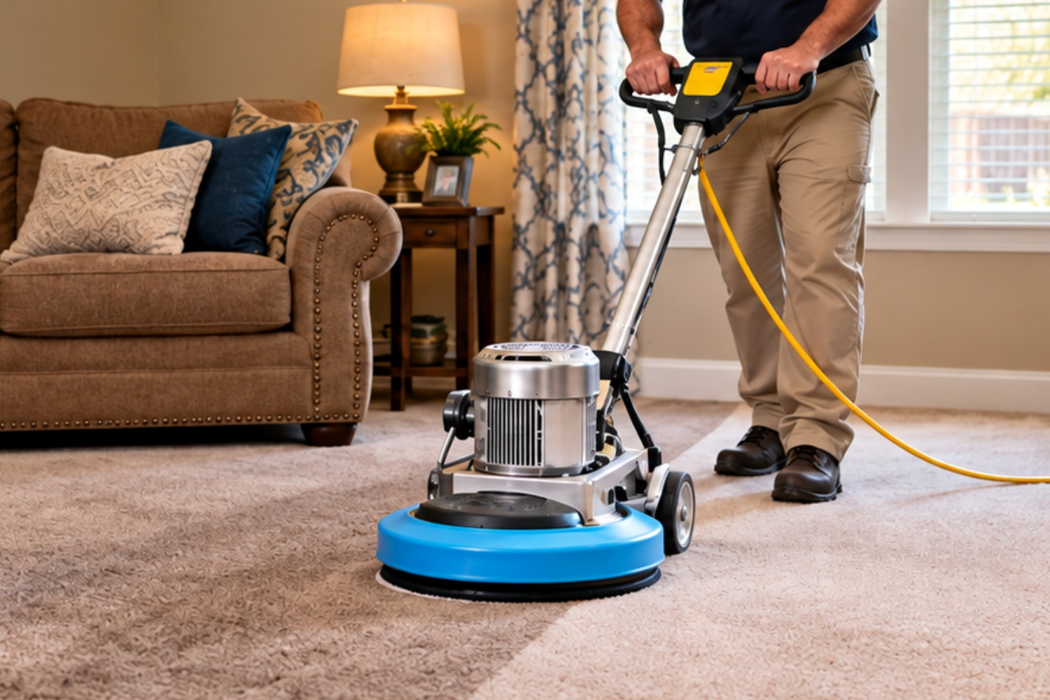
Low-moisture carpet cleaning uses substantially less water than a heavily saturated extraction process. A cleaning compound or solution is applied to the fibers, worked through the pile with counter-rotating brushes or other professional agitation equipment, allowed time to loosen soil, and then extracted along with the released material. The goal is to clean the fiber thoroughly while limiting unnecessary saturation of the carpet backing and pad. Amarillo Dry Carpet describes its current low-moisture carpet cleaning service as a fast-drying process built around minimal water use.
The practical differences matter more than the terminology:
- Faster drying. Dry time depends on the carpet, soil level, airflow, temperature, and how much product is required. Amarillo Dry Carpet currently states that many carpet-cleaning jobs are dry in about an hour, allowing rooms to return to use the same day.
- Less saturation. Using less water reduces the chance of moisture reaching deep into the backing and pad. That can lower the risk of problems associated with over-wetting, including slow drying, wicking, and lingering dampness.
- Smaller operating footprint. Low-moisture equipment can be useful in occupied homes and businesses because the process does not require the same volume of water or the same long wet-down period as a heavily saturated method.
- Method selection still matters. Heavy contamination, specific fibers, unusual stains, or manufacturer requirements can change the appropriate process. The correct method should follow an inspection rather than a slogan.
Amarillo Dry Carpet & Cleaning Services uses cleaning products that are non-toxic for homes with children and pets.
The Process, Step by Step
A professional cleaning is a sequence, and the result depends on doing the basic steps in the correct order. A low-moisture service generally looks like this from arrival to walkthrough.

1. Inspection and consultation. The technician walks the space with you, identifies the carpet and traffic patterns, notes spots or pet areas, and documents wear or existing damage. This is where expectations should be set honestly, including anything unlikely to improve completely. Amarillo Dry Carpet currently offers free estimates and inspections.
2. Dry soil removal. Thorough vacuuming comes first. Removing loose grit before introducing cleaning product keeps that particulate from being worked deeper into the pile.
3. Pre-treatment of spots and heavy areas. Traffic lanes, entryways, spills, and individual spots are treated according to what caused them and how long they have been present.
4. Application and agitation. The selected cleaning compound or solution is applied in a controlled amount and worked mechanically through the pile so it contacts more than the surface tips of the fibers.
5. Dwell time. The product needs time to loosen the bond between soil and fiber. The appropriate dwell time depends on the chemistry, carpet, and soil level.
6. Extraction. The cleaning compound and suspended soil are removed with professional equipment.
7. Grooming and final walkthrough. The carpet is groomed where appropriate, problem areas are reviewed, and the customer can inspect the work before the technician leaves.
Residential Carpet Cleaning
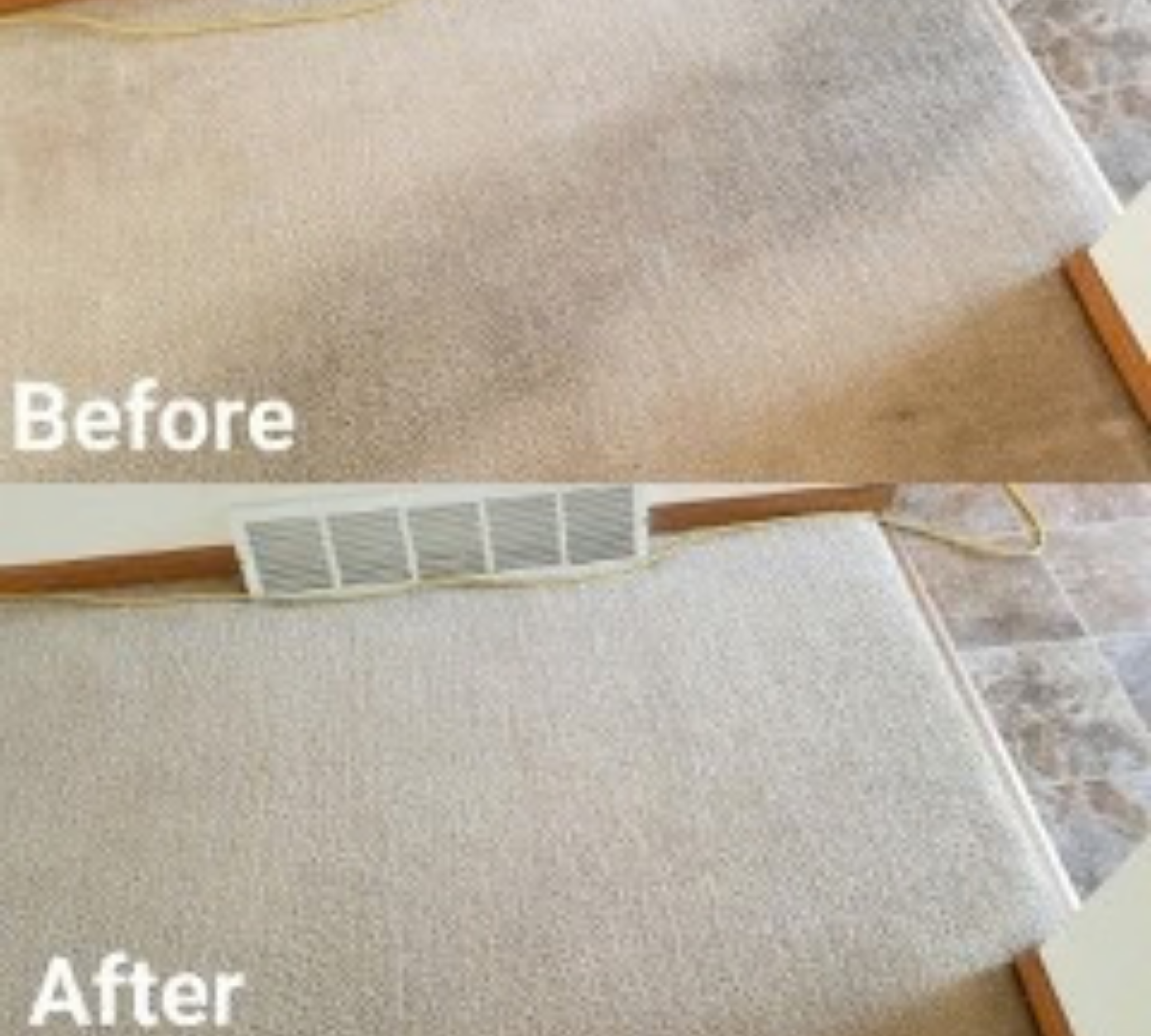
In a home, the goal is to remove soil while protecting the carpet as a finished surface. Abrasive grit contributes to fiber wear, and heavily matted traffic lanes may not recover completely once physical damage has occurred. Cleaning can remove soil; it cannot rebuild worn fiber.
Fast drying changes the logistics of cleaning day. Furniture can be returned sooner when appropriate, the room is unavailable for a shorter period, and homeowners are less dependent on prolonged fan use or open windows. In households with children, pets, or people who are sensitive to cleaning products, the relevant questions are straightforward: what is being applied, how much moisture is being used, how long should the room remain unused, and when is the surface considered dry.
Commercial Carpet Cleaning
Commercial carpet has a different problem set. Entry soil is heavier and more constant, traffic is concentrated into predictable paths, and appearance becomes part of how customers and employees experience the space. At the same time, many businesses cannot take an entire floor out of service for a full day.
Low-moisture cleaning can fit that environment because areas can be addressed in sections and returned to service relatively quickly. That makes it practical for offices, professional suites, waiting rooms, churches, retail spaces, hotels, property-management turnovers, and other occupied facilities.

High-traffic properties often benefit from maintenance based on use rather than waiting for the whole carpet to look dirty. Entries and main corridors can require attention more frequently than private offices and low-traffic rooms. A documented maintenance plan also makes it easier to compare condition over time instead of relying only on appearance after soil has already built up.
Area Rug Cleaning
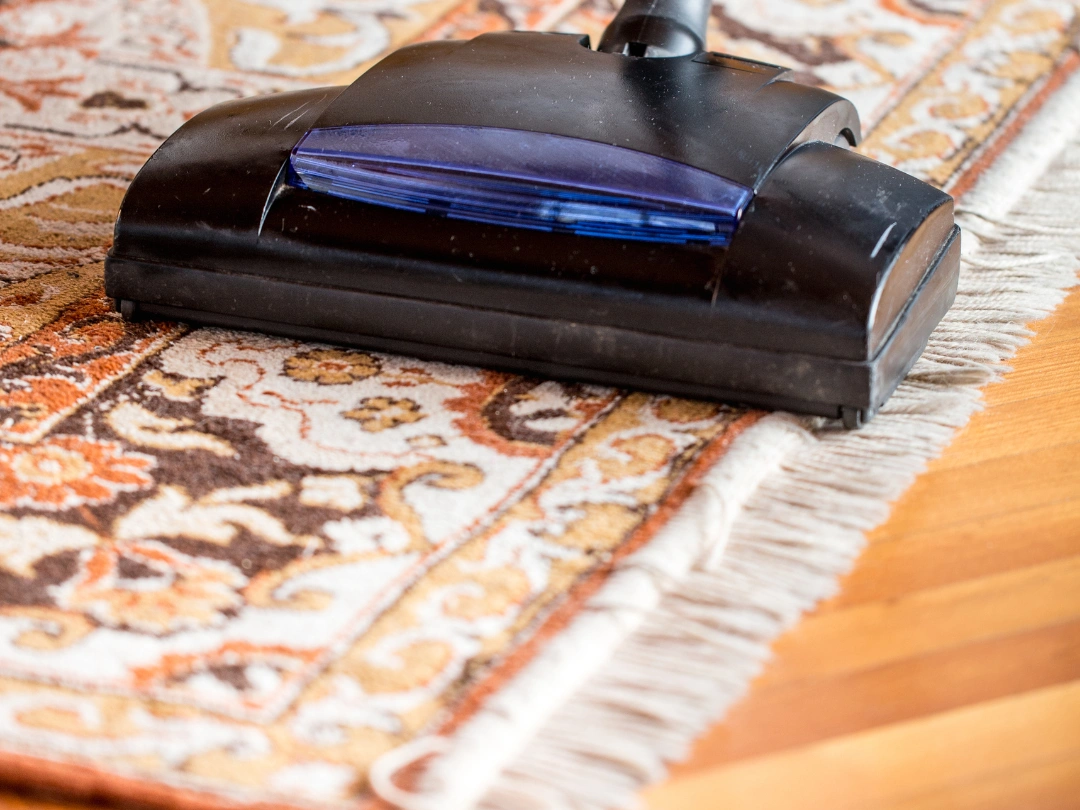
Area rugs are not simply small pieces of installed carpet. They may be wool, silk, synthetic, or natural blends; many are woven rather than tufted; dyes can behave differently; and fringe or foundation damage changes what can safely be done. The correct cleaning method should follow inspection of the rug itself.
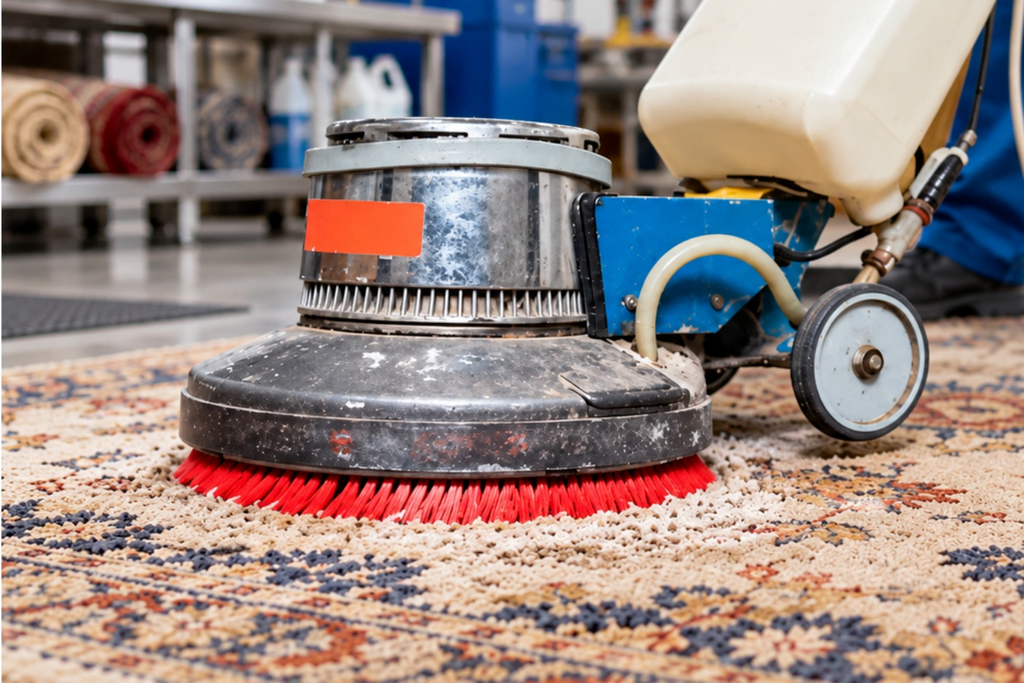
In-shop cleaning allows the rug to be inspected, dry soil to be removed from both sides, the cleaning method to be matched to fiber and construction, and drying to be controlled before the rug is returned. Amarillo Dry Carpet offers in-shop area rug cleaning and complimentary pickup and delivery on qualifying orders. Confirm pickup and delivery terms when booking so the service matches the current schedule and minimums.
More details are available on the company’s area rug cleaning service page.
Upholstery and Hard Surfaces in the Same Visit
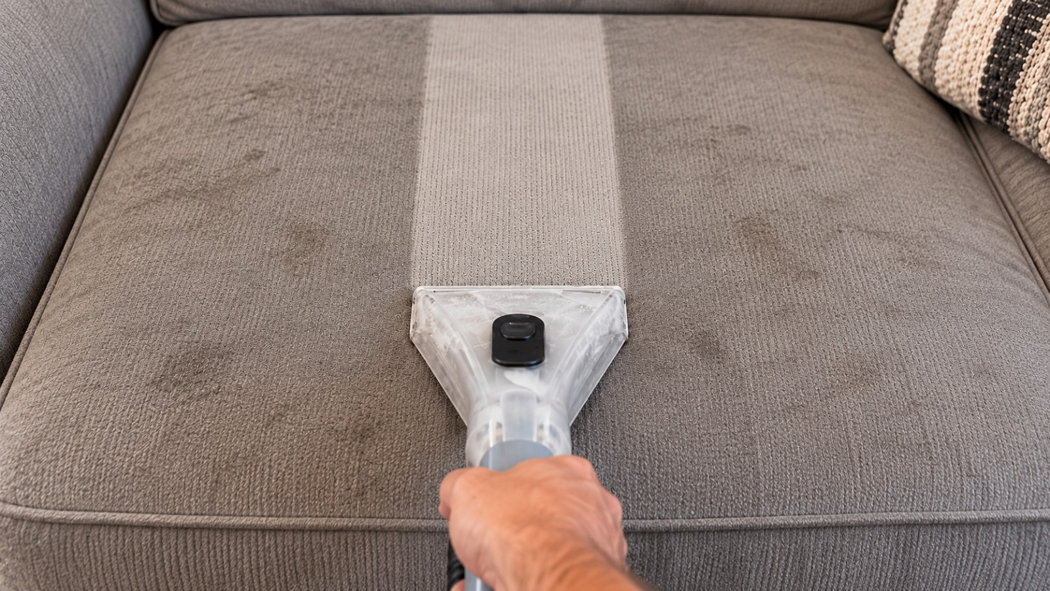
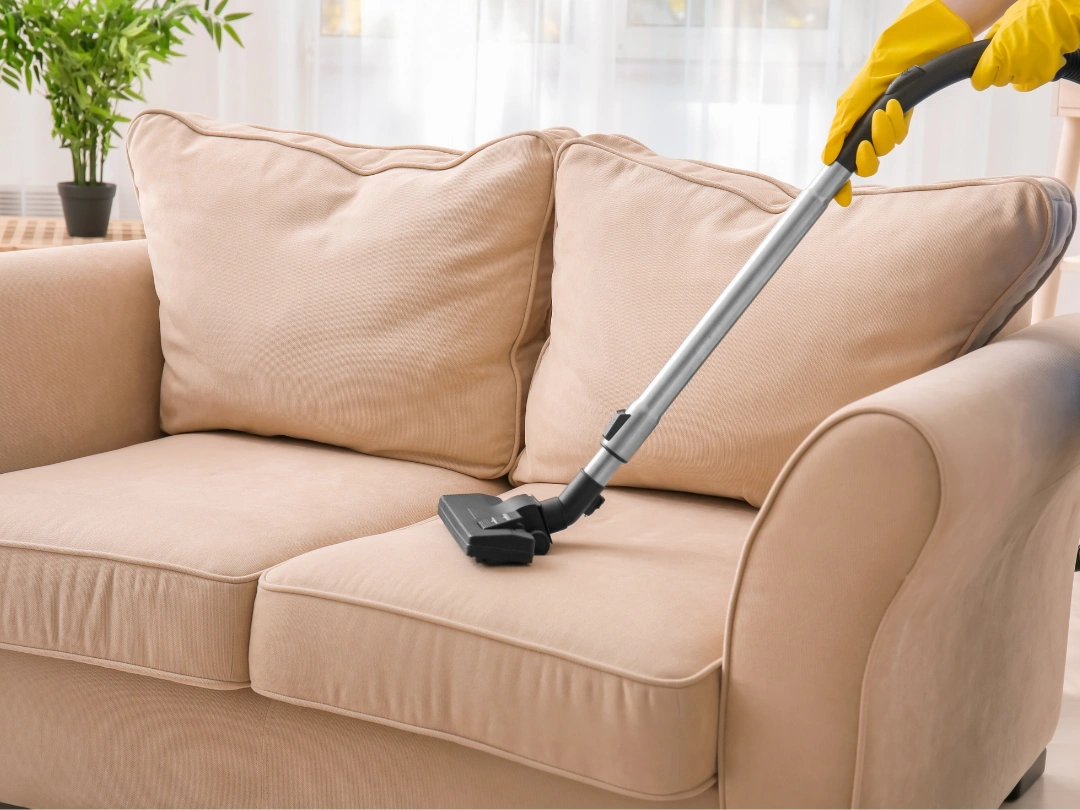
Carpet is rarely the only soiled surface in a room. Upholstered furniture collects body oils, dust, pet hair, food residue, and contact soil, but fabric construction and cushion fill make upholstery a different cleaning problem. Product choice and moisture control should be matched to the specific fabric rather than treating furniture like carpet.
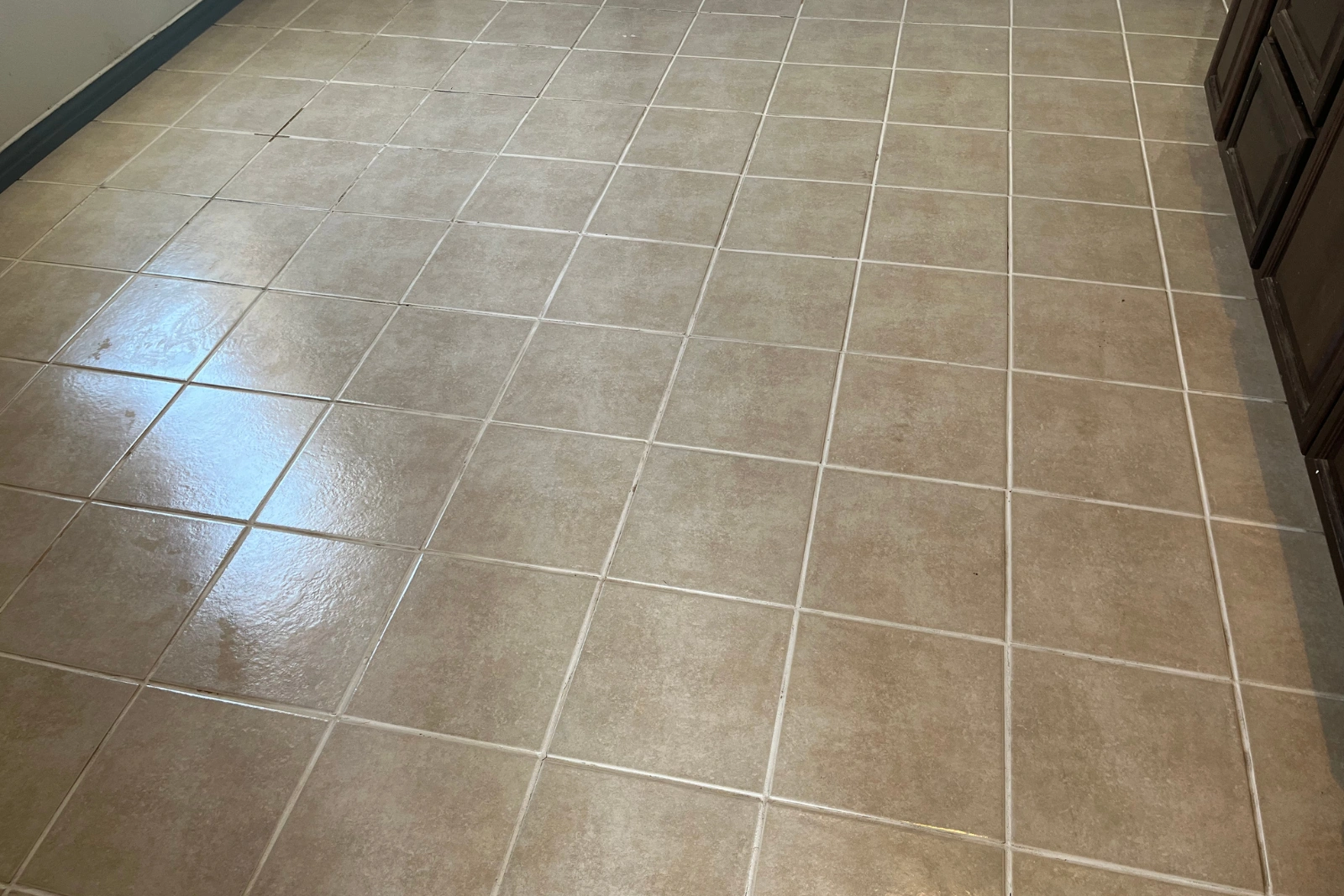
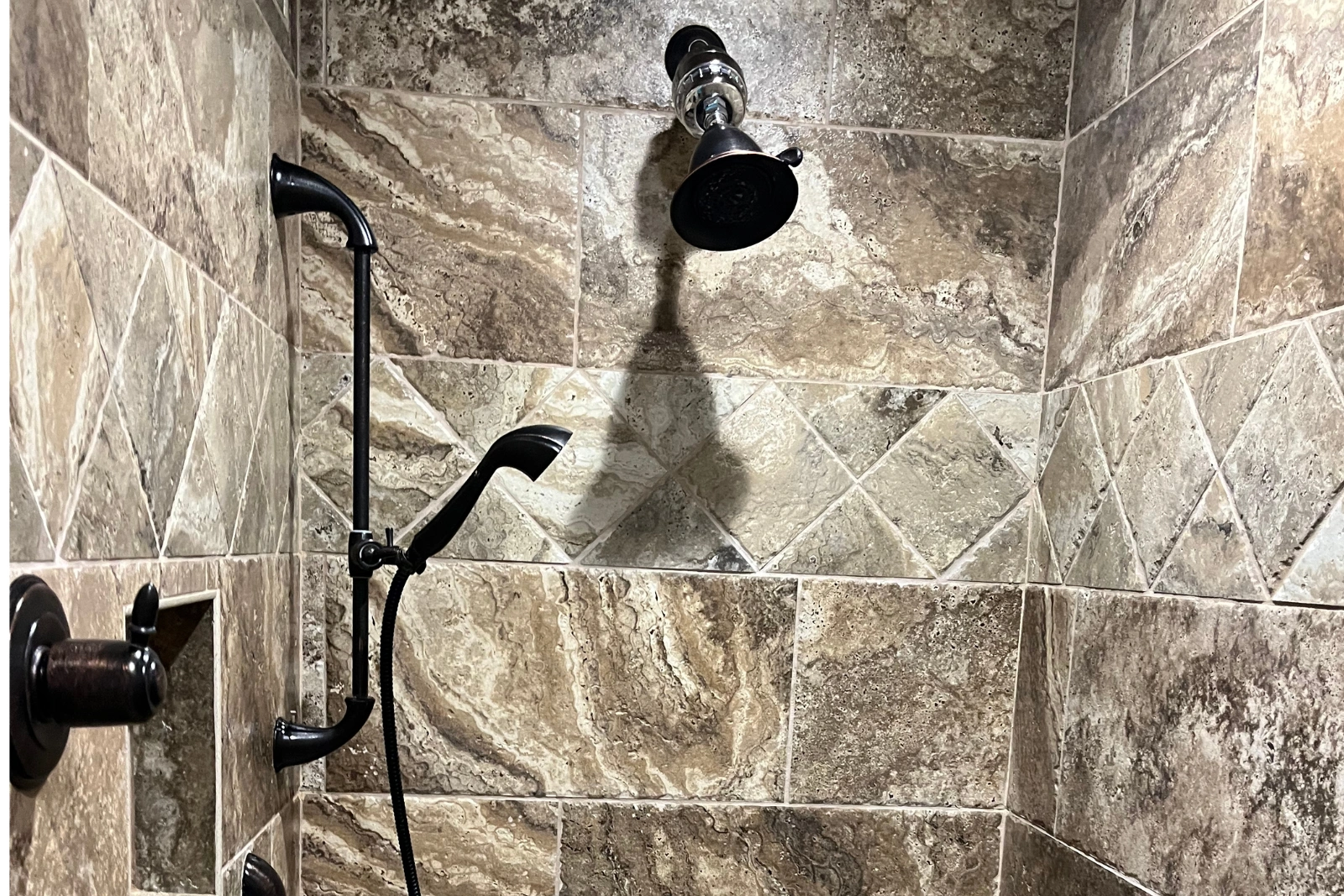
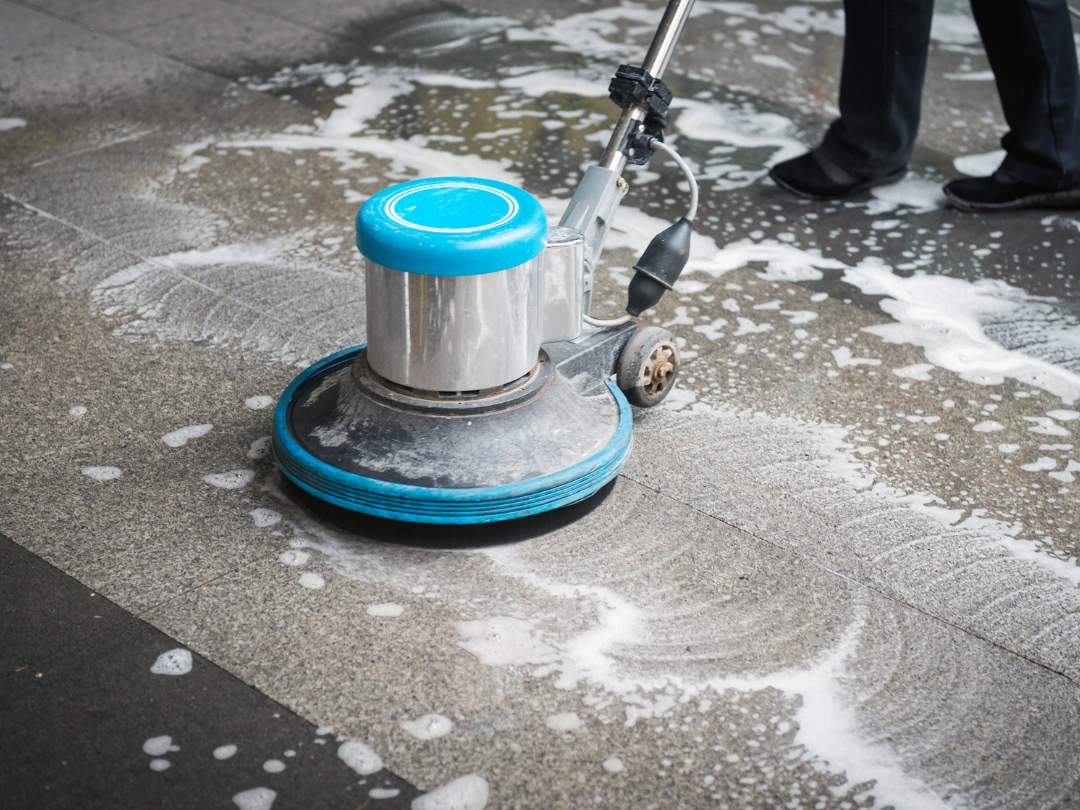
Amarillo Dry Carpet also offers upholstery cleaning, in-shop rug cleaning, tile and grout cleaning, stone care, hardwood and laminate services, commercial floor cleaning, and pet stain and odor treatment. Combining compatible services into one scheduled visit can reduce disruption and gives the customer one point of accountability for the work.
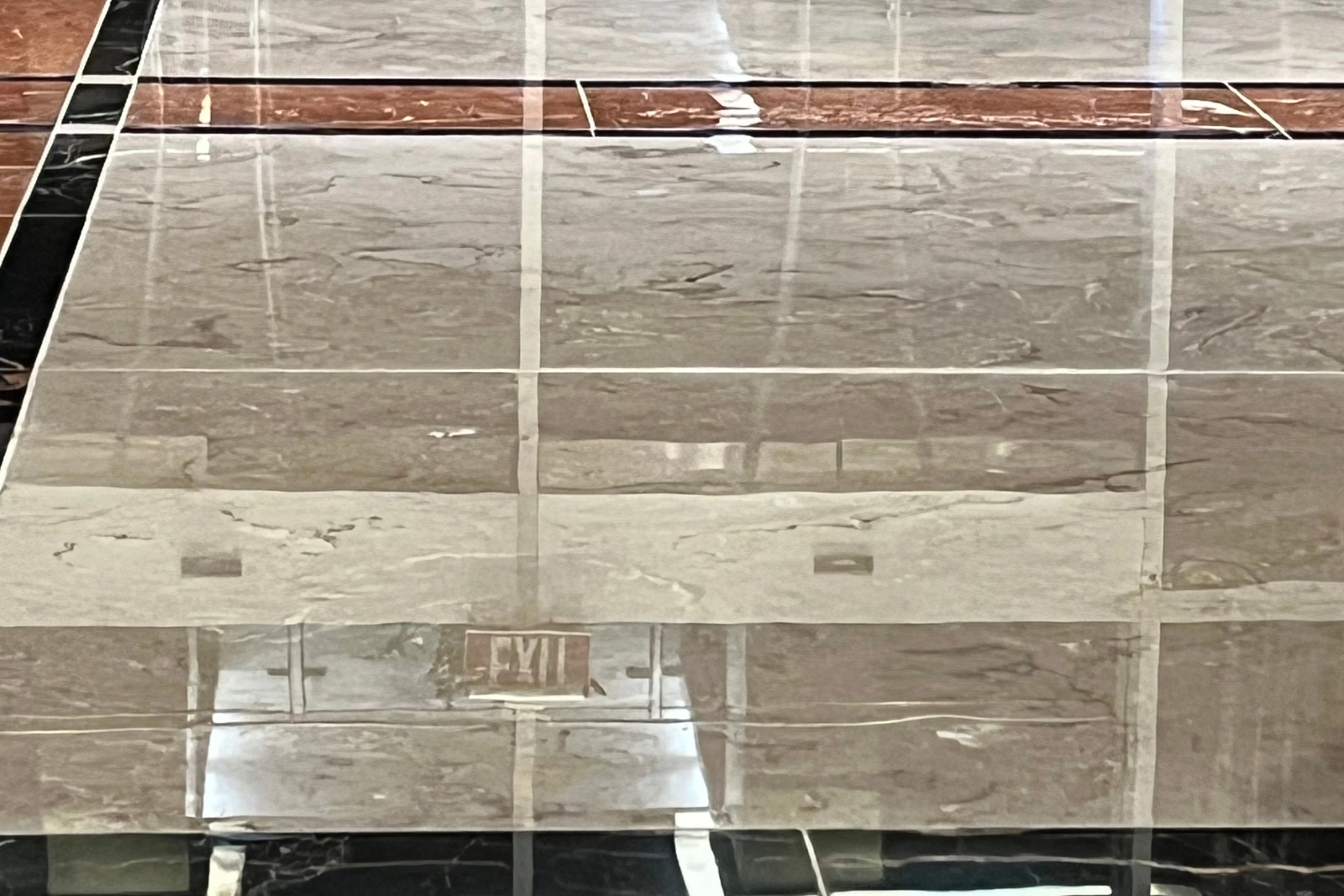
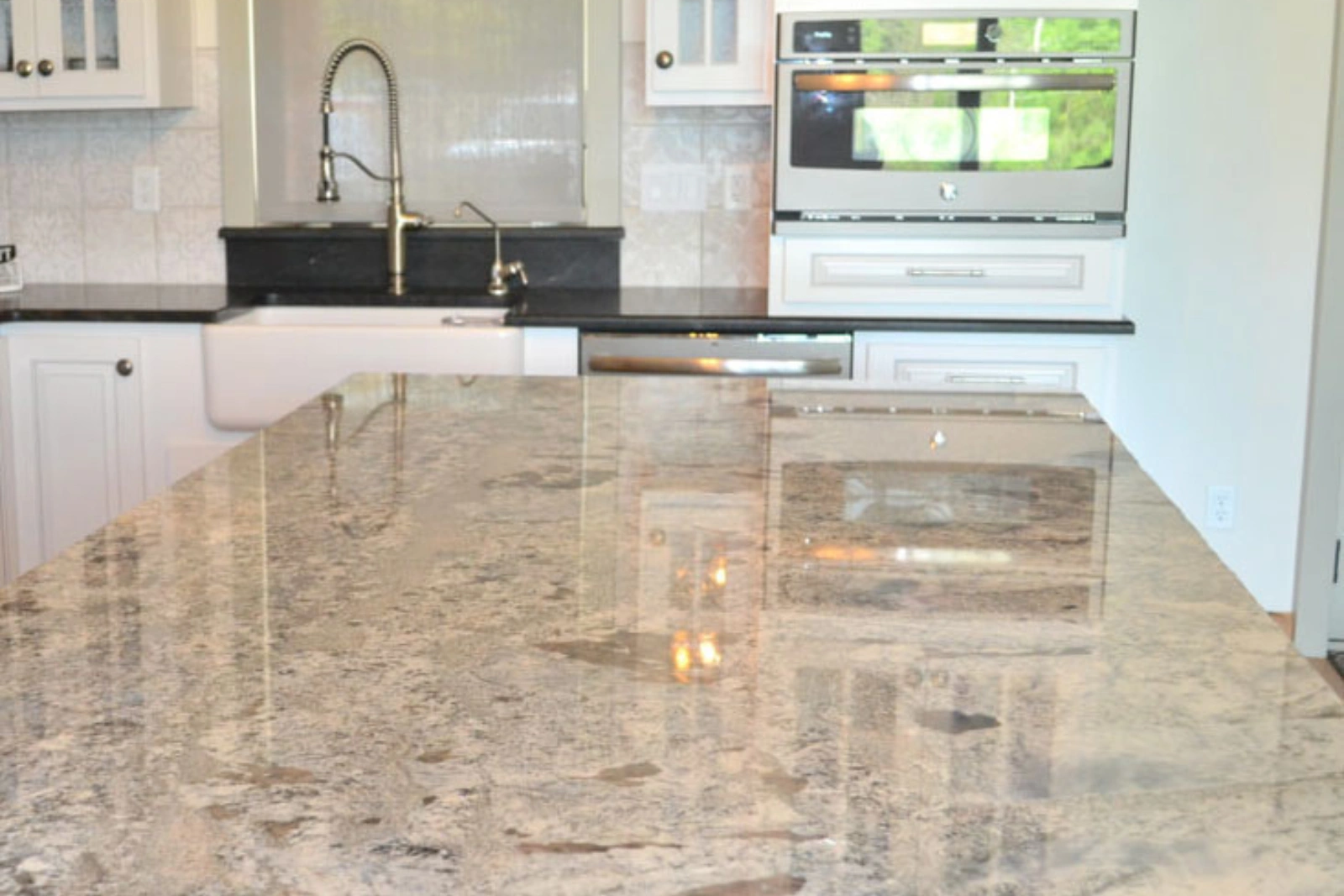
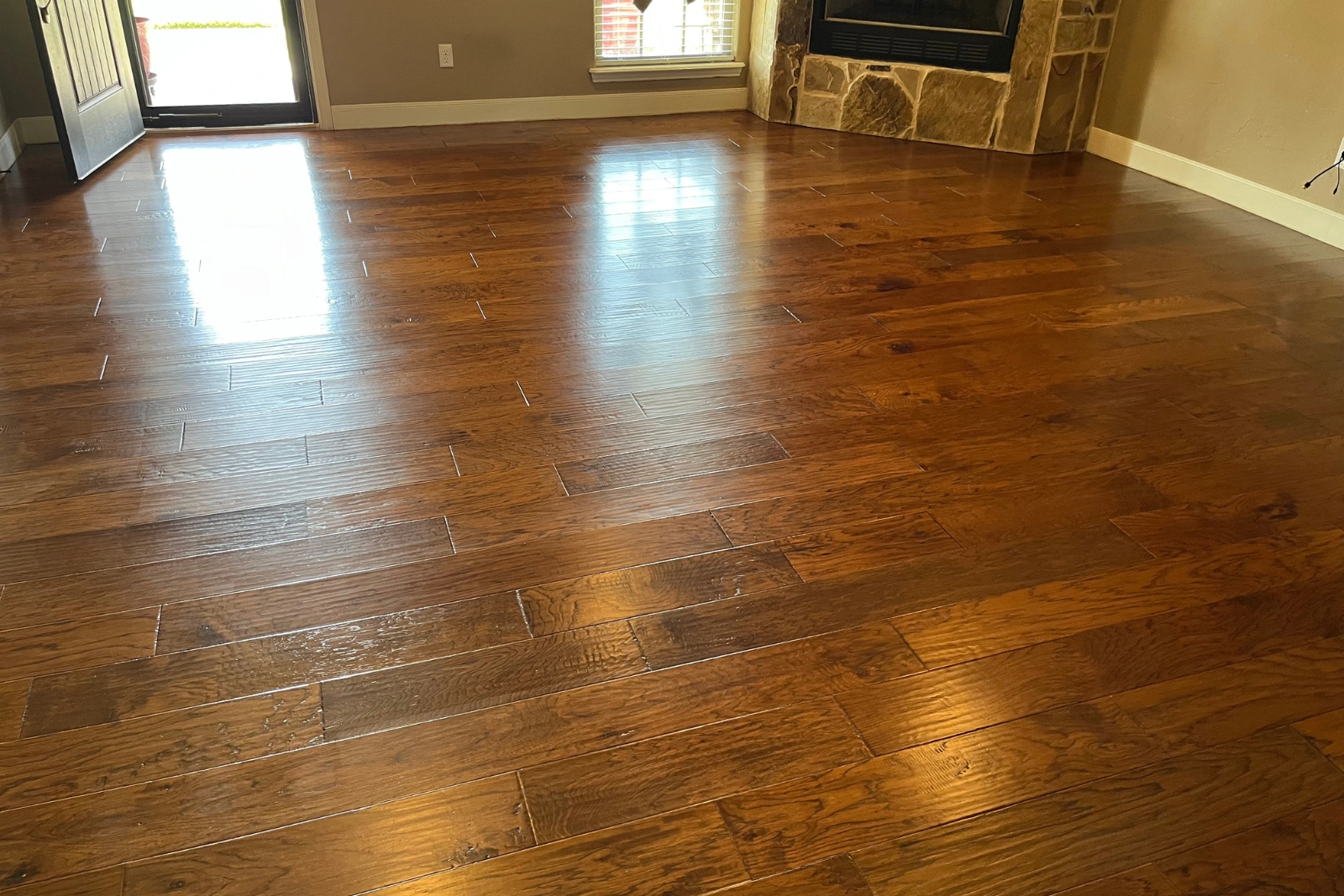
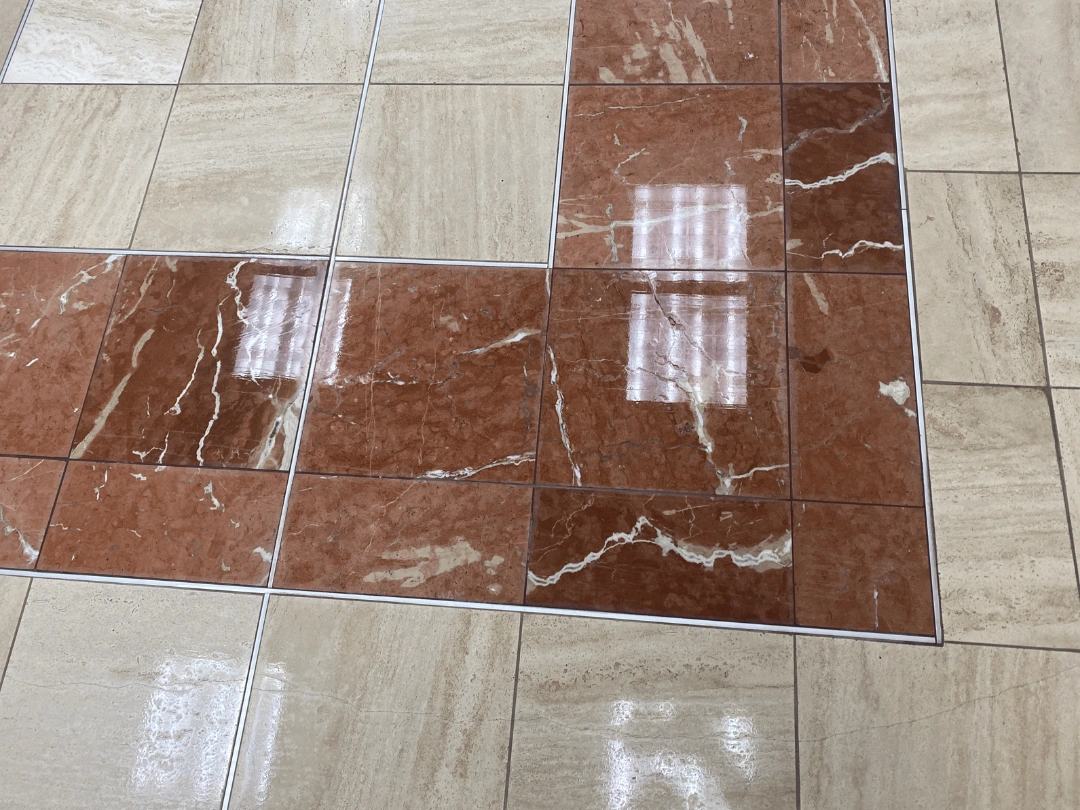
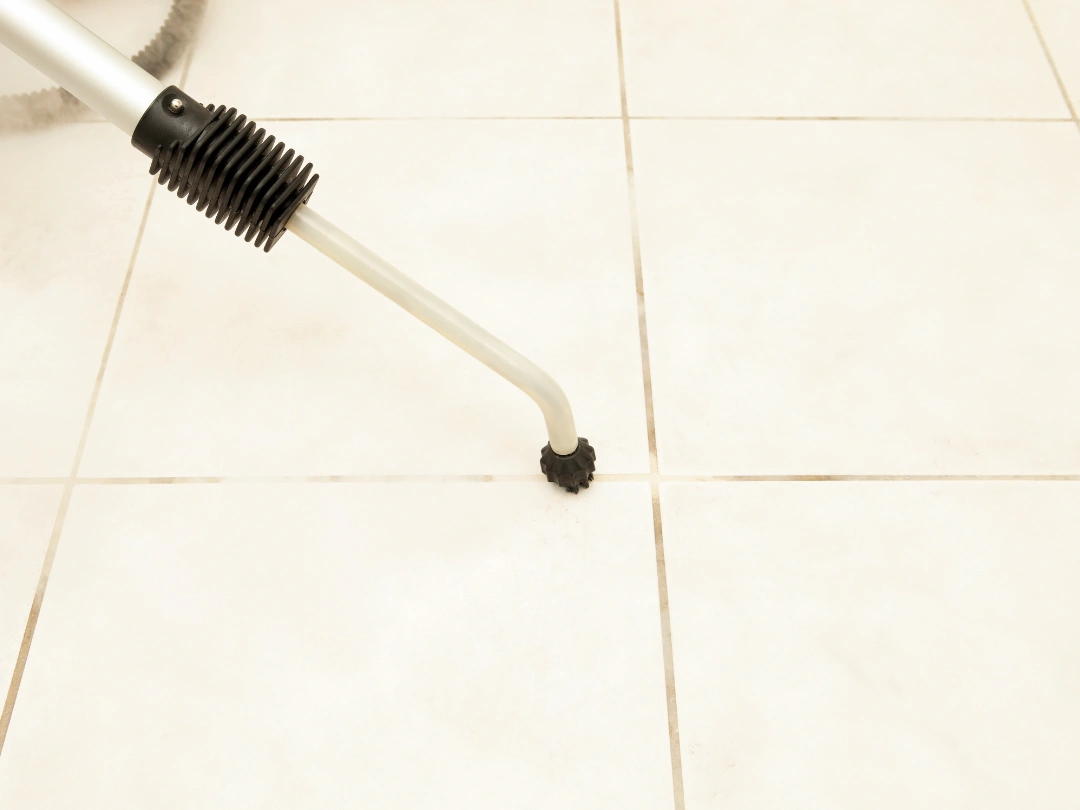
Hard floors have their own version of bonded soil. Grout is porous and sits below the tile surface, stone can be sensitive to the wrong chemistry, and finished wood can be damaged by products that are appropriate for other surfaces. Surface identification comes before cleaning method.

How Often Should Carpet Be Cleaned?
There is no single schedule that fits every property. Once or twice a year is a practical starting point for many occupied homes, but traffic, pets, carpet color, outdoor exposure, and maintenance habits matter more than the calendar. Consider cleaning sooner when any of the following apply:
- Pets in the home. Outdoor access, shedding, oils, and accidents can increase the soil load.
- Small children spend significant time on the floor. Food, play, and daily traffic concentrate use in specific rooms.
- The household has product or fragrance sensitivities. Ask about the cleaning chemistry and drying procedure before scheduling rather than assuming any method is universally appropriate
- Light-colored carpet shows traffic lanes early. Visible contrast often appears before the entire room looks dirty.
- The main entry opens directly onto carpet. Walk-off mats and frequent vacuuming help, but entry grit still accumulates faster.
- The property is being listed, leased, photographed, or turned over. Presentation and odor control often matter more during a transition
Commercial spaces should usually be scheduled by traffic level. Main corridors and entrances may need service more frequently than private offices. Between professional cleanings, the highest-value habits are simple: vacuum high-traffic areas more often than low-traffic rooms, use walk-off mats at entries, blot spills instead of scrubbing them deeper into the fiber, and keep HVAC filters and returns maintained.
What Affects the Price of Carpet Cleaning?
A meaningful quote depends on the actual scope. Two homes with the same number of rooms can require very different amounts of work, so compare what is included rather than comparing only the lowest number.
Common pricing factors include:
- Cleanable area. Room count and square footage, both matter.
- Fiber and carpet construction. Different materials and pile types may require different methods.
- Soil level and maintenance history. A lightly soiled room is not the same job as neglected traffic lanes or a turnover property.
- Spot, stain, and pet treatment. Specialty treatment can add labor and chemistry beyond routine cleaning.
- Stairs. They are more labor-intensive than open floor areas.
- Furniture moving. The scope should state what is and is not being moved.
- Additional surfaces. Upholstery, rugs, tile, stone, or other floor services change the overall job.
- Travel. Locations outside the normal service area may be handled differently.
Amarillo Dry Carpet publishes current service pricing and offers a free estimate. Before approving the work, confirm the cleanable area, specialty treatment, furniture-moving expectations, and any conditions that could change the quoted scope.
Choosing a Carpet Cleaner in Amarillo
The best comparison is not a slogan versus a slogan. Ask questions that reveal the actual process, scope, and accountability behind the service:
- What method will you use, and why is it appropriate for this carpet? The answer should connect the method to the fiber, soil, and condition in front of the technician.
- How long should the carpet remain out of use? Drying expectations should be stated before the work begins.
- What products will be used? If children, pets, or sensitive occupants are a concern, ask for specifics rather than relying only on general marketing terms.
- What exactly is included in the quote? Clarify spots, stairs, furniture moving, pet treatment, travel, and any minimums.
- Do you handle rugs, upholstery, and hard floors? This matters when several surfaces need attention at the same time.
- What happens if an area needs more attention afterward? Ask how follow-up is handled and what guarantee or re-service policy currently applies.
A good cleaner inspects first, explains the method clearly, and avoids promising impossible stain removal. The right goal is an honest assessment of what can improve and what is permanent wear or damage.
Frequently Answered Questions
How long does low-moisture carpet cleaning take to dry?
Dry time depends on carpet type, soil level, airflow, temperature, and the amount of product required. Amarillo Dry Carpet currently says many jobs dry in about an hour, but some situations may take longer.
Is low-moisture carpet cleaning better than steam cleaning?
Not in every circumstance. Low-moisture cleaning is a strong option when fast drying and controlled moisture are priorities. Hot-water extraction can still be appropriate for certain fibers, contamination levels, and manufacturer requirements. The right method follows inspection.
Can pet stains and odor be removed?
Some can and some cannot. A stain may be permanent if it has changed the dye, damaged the fiber, been exposed to heat, or been treated with an incompatible product. Pet contamination can also extend below the face fiber into backing, pad, or subfloor, which changes the scope. The honest answer should come after inspection and testing.
Do you serve Canyon and the surrounding area?
Amarillo Dry Carpet & Cleaning Services serves Amarillo and Canyon, Texas. For addresses outside the normal service area, confirm availability and any travel terms when requesting the estimate.
Schedule Carpet Cleaning in Amarillo
If your carpet is showing traffic lanes, holding onto odor, or simply has not been professionally cleaned in a long time, an inspection and estimate are the practical starting point. The goal is to identify the carpet, soil, spots, and service scope before anything is cleaned.

Amarillo Dry Carpet & Cleaning Services provides low-moisture carpet cleaning, upholstery cleaning, in-shop area rug cleaning, pet stain and odor treatment, and hard-surface cleaning for homes and businesses in the Amarillo area.
Call 806-553-2077 or visit amarillodrycarpetcleaning.com to request an estimate.