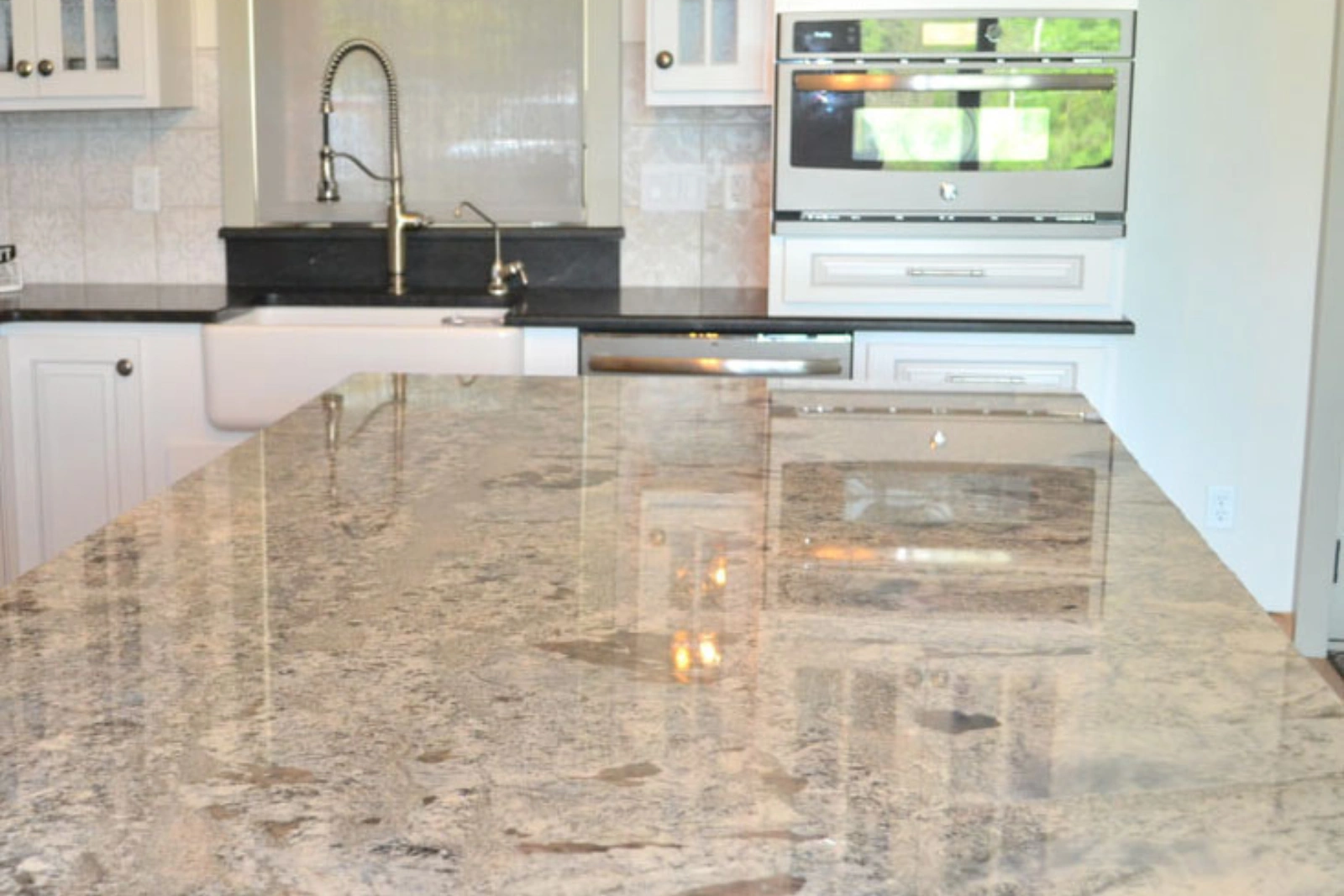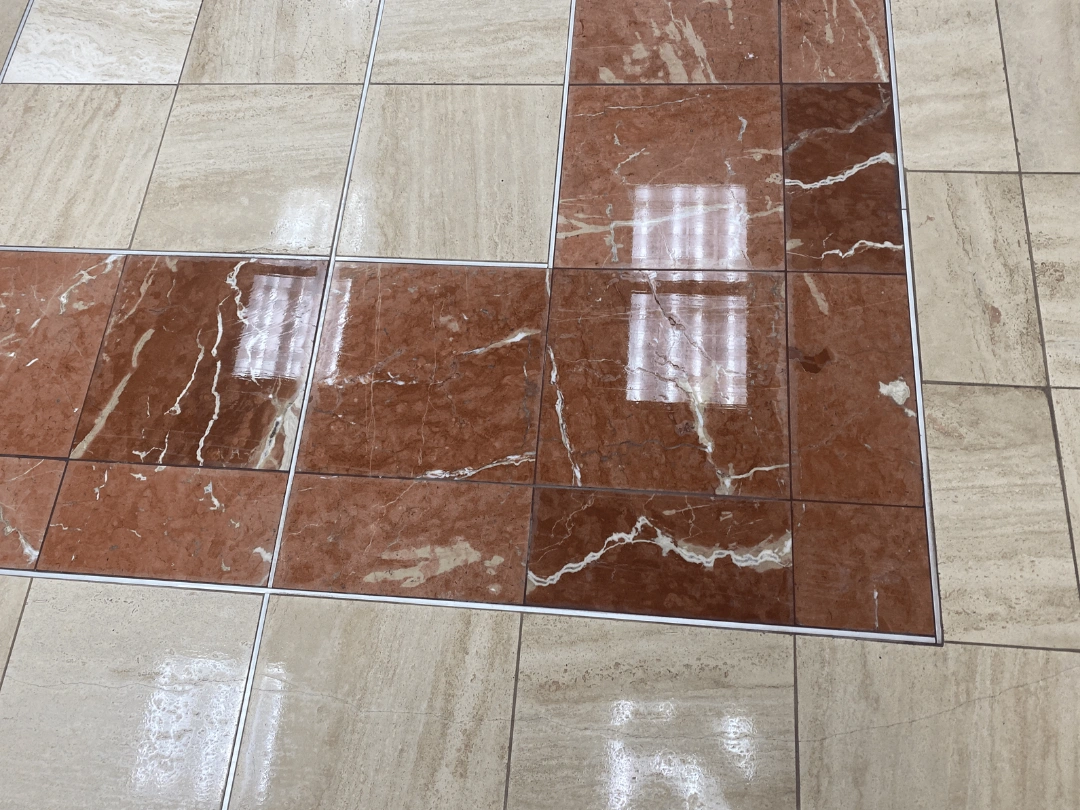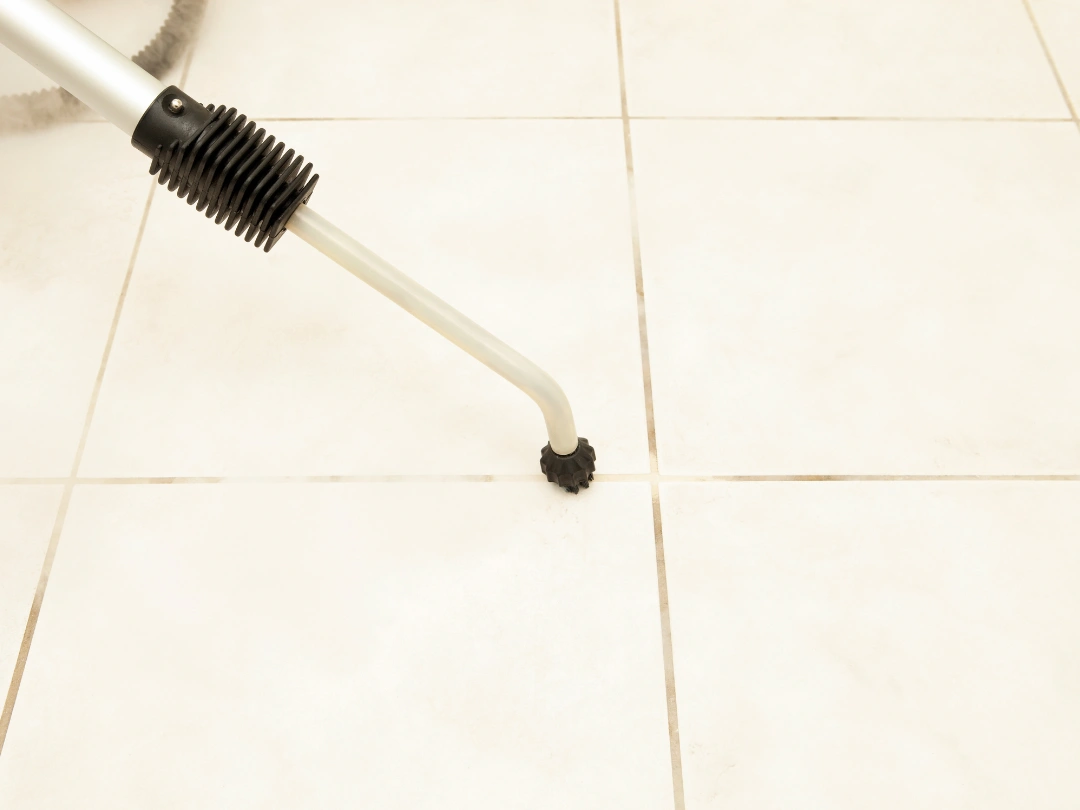
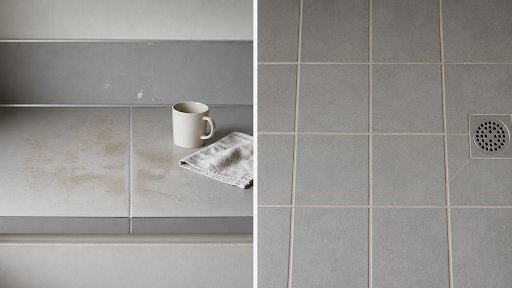
Your kitchen counter looked flawless the day it went in. Then a glass of wine sat too long near the sink, or a squeeze of lime hit the stone while you were prepping dinner, and now there’s a dull ring that won’t buff out no matter how hard you scrub. Sound familiar?
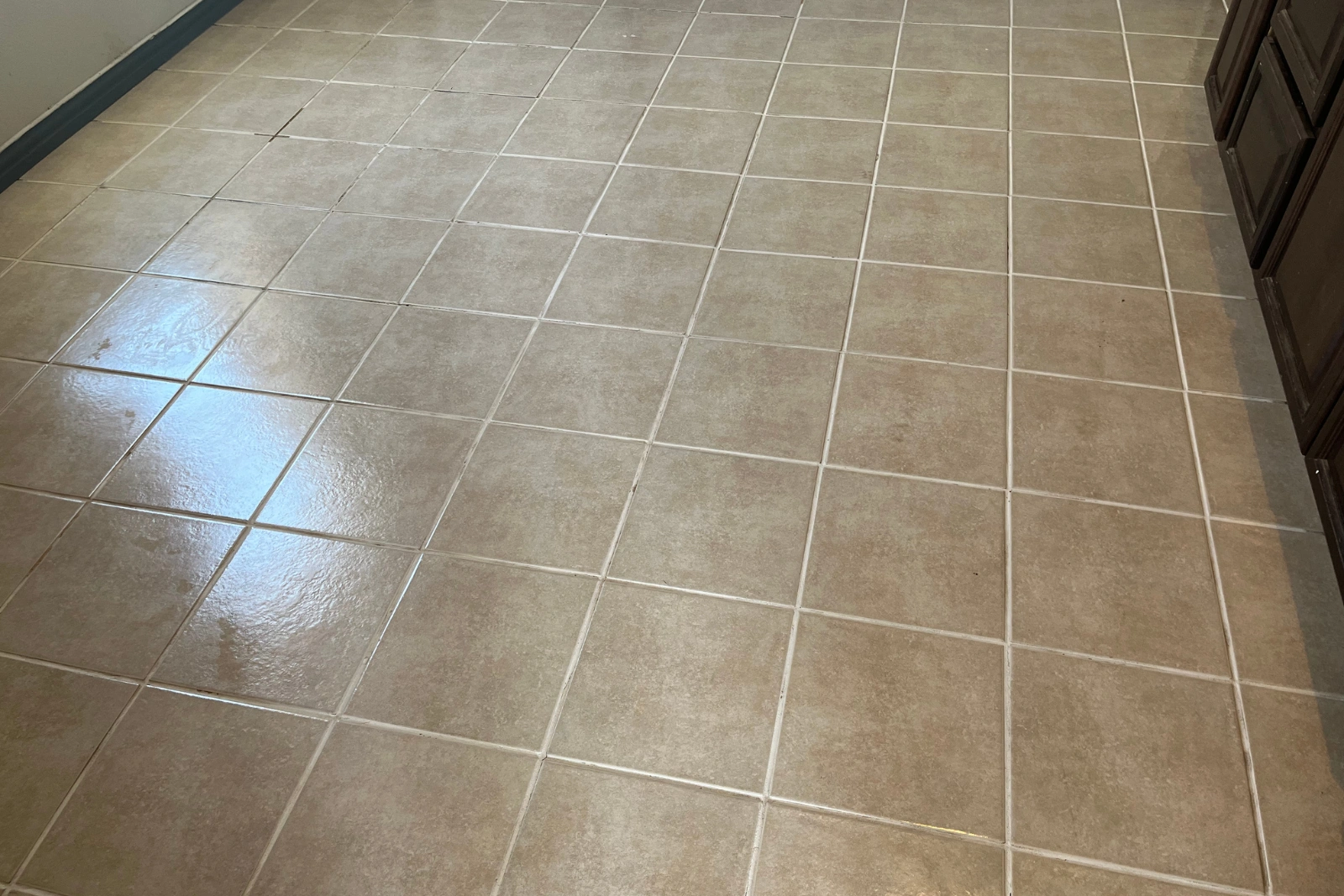
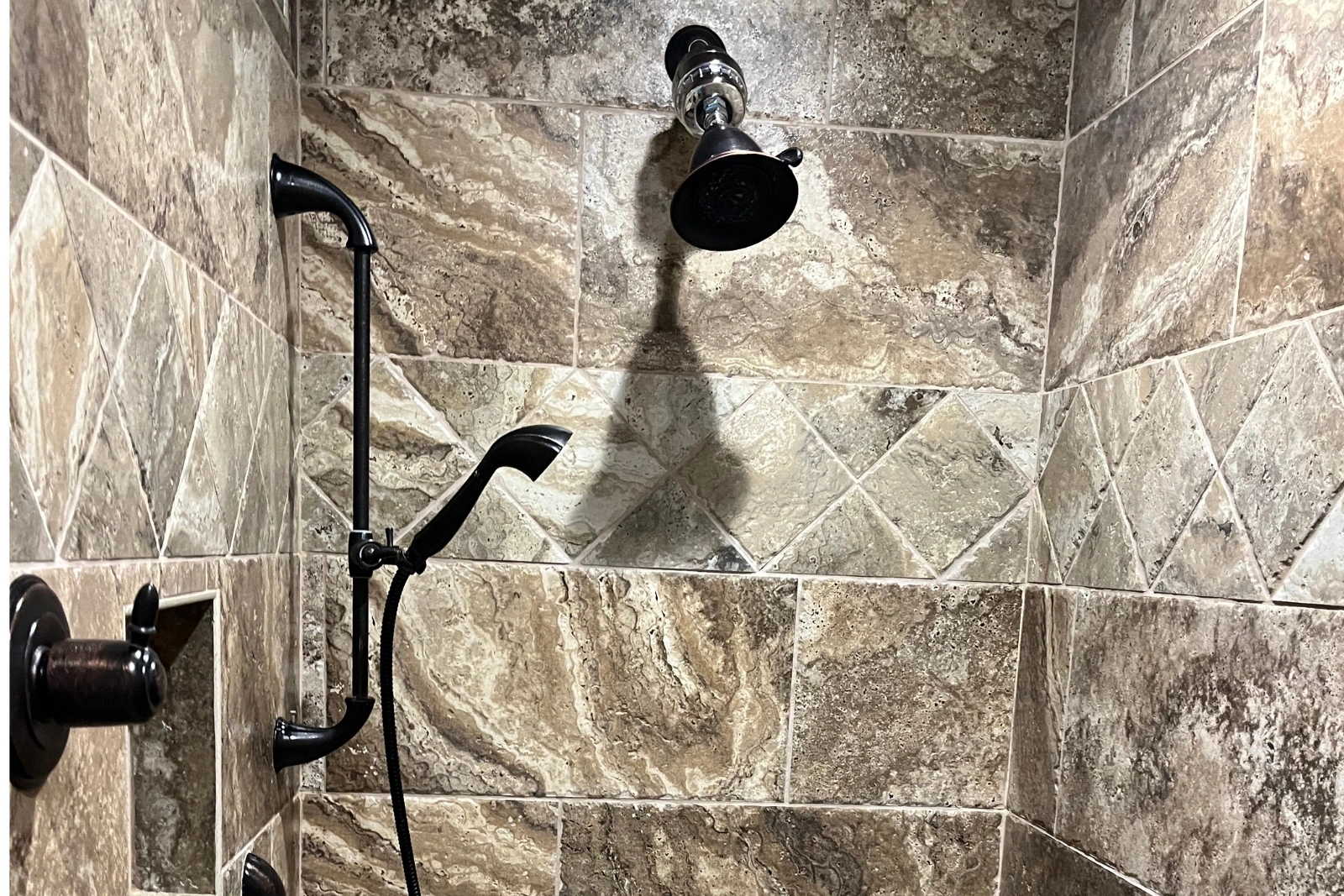
You’ve probably fought the same fight in your bathroom, where hard water spots and soap scum creep back onto the shower floor within days of a deep clean. Both problems trace back to the same missing layer of protection, and here’s why fixing one without the other never actually solves it.
What Your Countertop and Shower Floor Have in Common
You probably think of your kitchen and bathroom as two separate worlds. One handles food preparation. The other handles hot showers. But at the material level, they share the exact vulnerability.
- Stone Porosity. Natural stone, tile, and grout all contain microscopic pores that pull in whatever sits on them.
- Water, oil, and soap scum work their way in over time. Once a surface is unsealed, it’s constantly absorbing something, whether that’s cooking oil or shower runoff.
- Unprotected pores lead to visible damage. Staining, discoloration, and eventually structural cracking follow once moisture settles below the surface.
This is why a growing number of homeowners in Amarillo are applying the same protective technology across their entire home instead of treating each room as a separate project.
What Ceramic Coating Actually Does
Ceramic coating is a liquid polymer that bonds to a surface at a molecular level, creating a hard, transparent shield. Once cured, it fills in the microscopic pores of stone, tile, and grout so liquids bead up and wipe away instead of soaking in.
That layer resists etching from acidic spills, blocks soap scum from clinging to grout lines, and typically holds up for five to seven years before it needs a refresh. One coating, two very different rooms, the same result: water beads and wipes away instead of staining in.
How It Differs From Traditional Sealants
Traditional penetrating sealers work by soaking into the pores and hardening there. They’re effective but wear down with foot traffic, cleaning chemicals, and UV exposure. Ceramic coatings add a harder, more chemical-resistant outer layer on top of that protection, giving surfaces two lines of defense instead of one.
Countertops vs. Shower Floors: A Side-by-Side Comparison
| Factor | Kitchen Countertops | Shower Floors |
| Main threat | Oil, acid (citrus, wine), heat | Standing water, soap scum, mold |
| Daily exposure | Food prep, spills | Humidity, hot water |
| Porosity risk | Staining, etching | Mold growth, grout breakdown |
| Recommended reseal cycle | Every 12-18 months | Every 12-24 months |
| Ceramic coating benefit | Stain and scratch resistance | Water-repelling, mold-resistant barrier |
The materials and daily wear are different, but the coating technology solves both problems the same way. That’s why the same crews who handle ceramic coating for showers are often the ones called out for countertop protection too.
Signs Your Surfaces Need Restoration
If you’re not sure whether your countertops or shower need attention, look for these warning signs before scheduling a professional assessment:
- Water no longer beads up and instead soaks into the surface
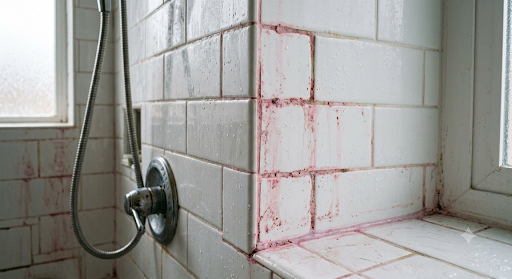
- Grout lines look darker or discolored even after cleaning
- You notice a musty smell that returns shortly after cleaning
- Countertop surfaces feel rough or show dull, worn patches
- Caulk around the shower base is cracking or pulling away
If you’re checking two or more of these boxes, it’s a sign that the existing seal has broken down and moisture is getting underneath the surface.
Shower Refurbishing: What the Process Involves
A shower refurbishing project that skips the sealing step is only solving half the problem. Once grout lines are deep cleaned, cracks are repaired, and discoloration is corrected, the final step should always be a ceramic coating applied over the tile, grout, and any stone surrounds. That order matters. Sealing over a surface that still has embedded soap scum or mineral buildup just traps the problem underneath a glossy top coat.
Where Tile and Grout Restoration Fits Before Sealing
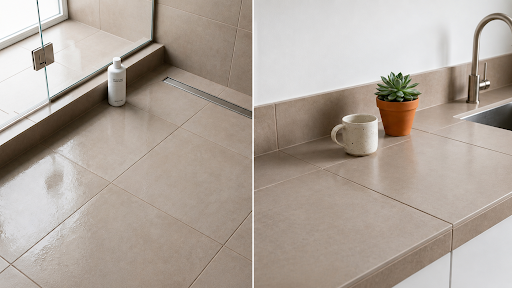
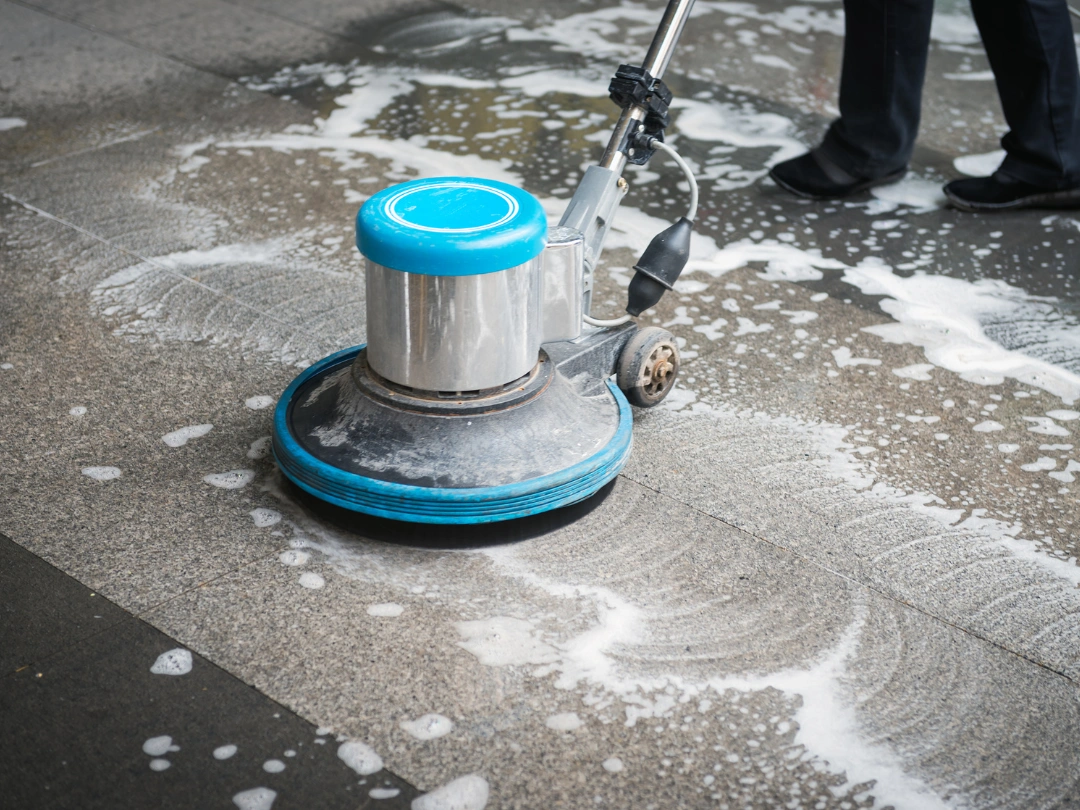
Tile and grout restoration in Amarillo involves deep extraction cleaning, regrouting where needed, and color sealing to even out grout tone before any protective coating goes down. That has to happen first, in the kitchen or the bathroom. Coating over damaged or discolored grout locks in whatever condition it was in at the time. Restoration first, protection second, every time, in every room with stone or tile.
Key Takeaways
- Countertops and shower floors are both porous surfaces that absorb liquid the same way, just under different daily stress.
- Ceramic coating creates a hydrophobic barrier that resists staining, etching, and water absorption for roughly five to seven years.
- A comparison of exposure factors shows different threats, but the same sealing logic protects both surfaces.
- Restoration work like regrouting and stain removal always has to come before sealing, never after.
- Amarillo’s hard water accelerates buildup on both kitchen and bathroom surfaces, making regular resealing more important here than in many other markets.
Start Sealing Your Countertops and Showers
Water rings on your beautiful granite or dark grout lines on your shower floor aren’t signs of poor cleaning, they mean your surfaces are completely unprotected. When liquids and minerals soak beneath the surface, regular scrubbing simply can’t reach them. By applying a premium ceramic coating, you lock out stains, etching, and soap scum, cutting your daily cleaning time in half.
If your kitchen countertops or shower floors are losing their shine and absorbing moisture, request a free estimate from Amarillo Dry Carpet & Cleaning Services to restore and protect your home’s surfaces today.
Frequently Asked Questions
How long does ceramic coating last on countertops and shower floors?
Most professional ceramic coatings last between two and five years, depending on the surface material and how much daily traffic or cleaning exposure it gets. Shower floors and high-use countertops may need touch-ups closer to the two-year mark.
Is ceramic coating safe for natural stone like granite or marble?
Yes, ceramic coatings are formulated to be safe for natural stone and won’t discolor or damage the surface when applied correctly. It’s still best to have a professional assess the stone type first, since some porous stones need extra prep work.
How is tile and grout restoration different from just regrouting?
Regrouting only replaces the grout itself, while restoration typically includes deep cleaning, crack repair, mold treatment, and resealing the entire surface. Restoration addresses the underlying moisture problem, not just the cosmetic issue.
How often does ceramic coating need to be reapplied?
Most ceramic coatings last five to seven years on countertops and shower floors before they need a refresh. Heavy daily use, harsh cleaning chemicals, and Amarillo’s mineral-heavy water can shorten that window, so a yearly water-bead test is the easiest way to check.