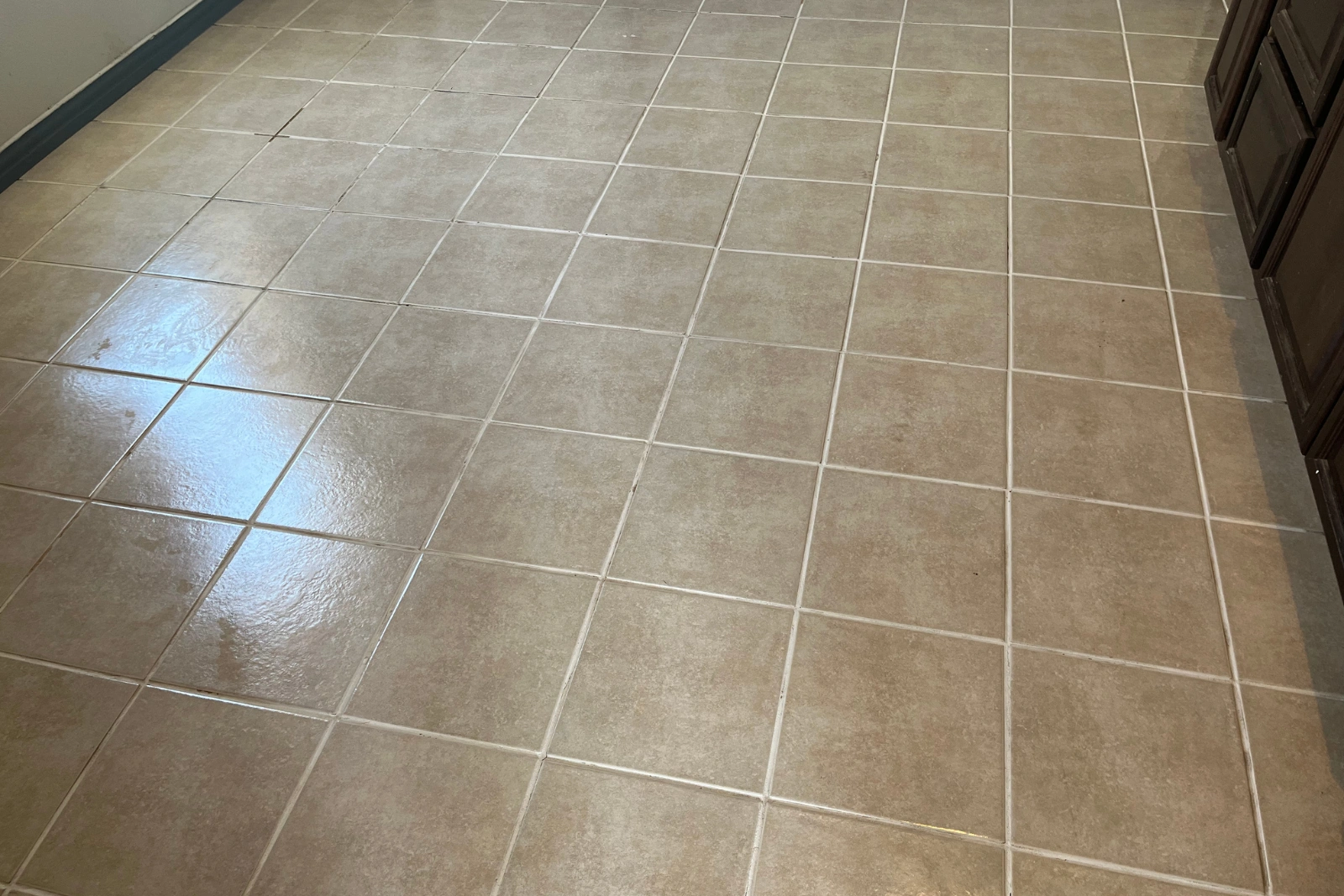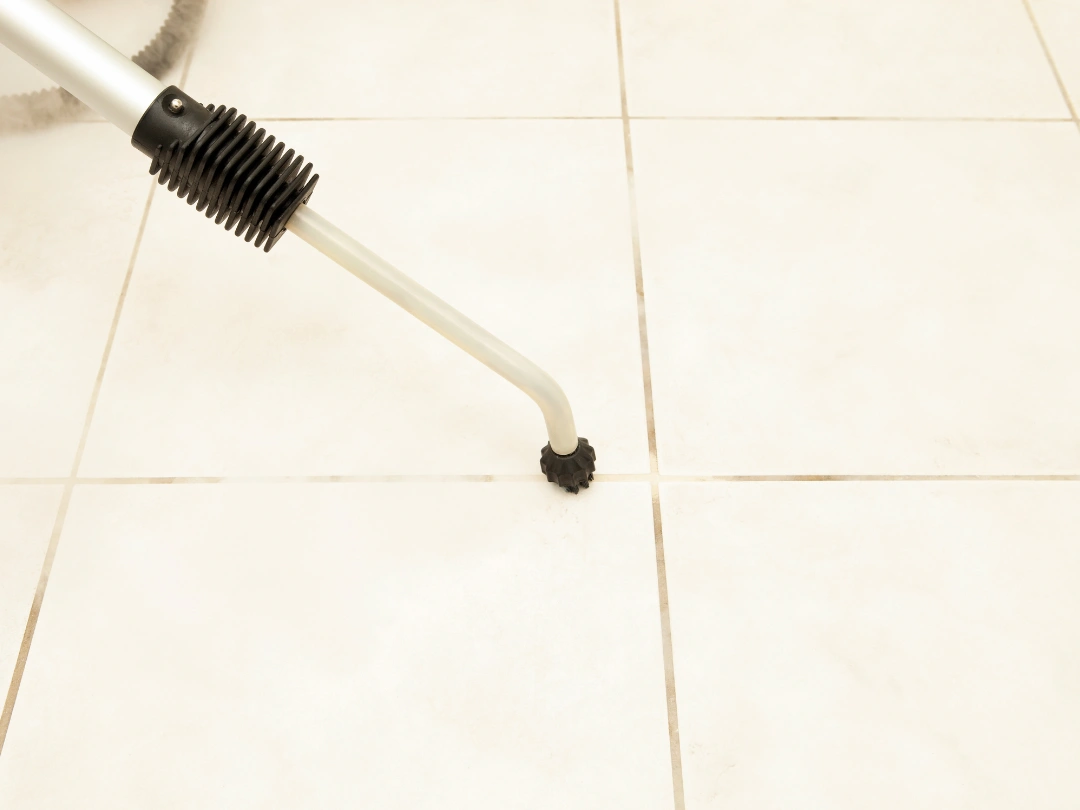
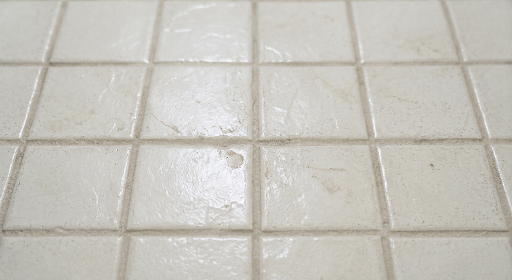
You mop the tile, scrub the grout lines with a brush, and they still look gray and dingy. In Amarillo homes, where wind carries fine dust indoors most of the year, this is one of the most common floor complaints. The frustrating part is that the grime is not always on the surface. This is where professional tile and grout restoration, and a process called color sealing, change the result. Here is why your clean grout still looks dirty, and what color sealing actually does about it.
Why Your Grout Still Looks Dirty After Cleaning
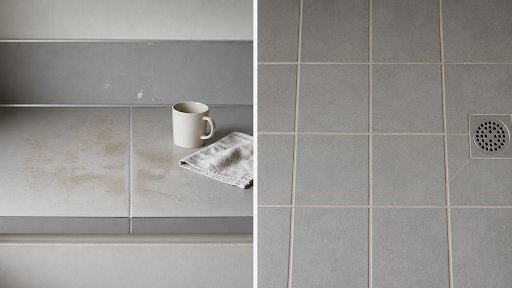
Grout is made from cement and sand, which makes it porous. Picture it like a sponge full of tiny holes. Every time you mop, dirty water settles into those pores and dries there. The Tile Council of North America points out that grout has a large surface area that absorbs stains the same way fabric does. So even after you sanitize the floor, the discoloration sitting below the surface stays put. You are cleaning the top while the stain hides underneath. Amarillo adds two extra problems. The dry, dusty air means more grit gets tracked across your floors, and the hard water in this region leaves a chalky film that dulls grout over time.
How It Differs From Sealers and Wax
Wax and acrylic finishes need to be stripped and reapplied every few months. They yellow, scuff, and trap dirt. Ceramic coating skips all of that. There’s no stripping, no buffing, and no waxy buildup, just a clean reapplication when the surface is ready for it.
The Three Reasons Scrubbing Cannot Fix It
The stains sit below the surface
Once contaminants soak past the top layer, a brush cannot reach them. No amount of bleach lifts a stain that has settled deep into the pores. Harsh scrubbing can even make it worse by wearing the grout down and opening the pores wider.
The sealer has worn off
Grout sealer wears away over the years, faster in busy kitchens and entryways. Without it, every spill and footstep grinds more dirt into the open pores. Grout that turns darker when it gets wet is a clear sign the seal is gone, and the surface is soaking up moisture.
The color was never even
Sometimes grout is mixed in different batches during installation, so it dries blotchy. Hard water deposits and old cleaning products can also leave a haze that sits unevenly across the lines. Cleaning cannot fix a color problem that was there from day one.
What Grout Color Sealing Actually Does
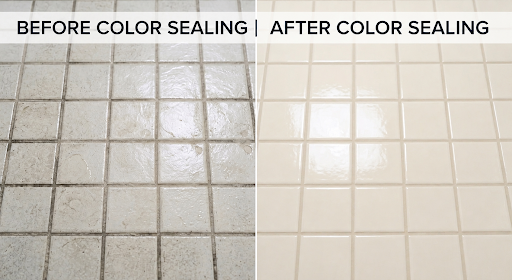
Color sealing is a stain and a sealer in one step. A technician first deep-cleans the grout to remove trapped dirt, then applies a pigmented coating that bonds to the surface. It covers old stains, evens out blotchy lines, and locks out future dirt. You can keep your original color or switch to a new one. Because it blocks the pores, mold and mildew have a harder time taking hold, and routine mopping no longer pushes grime back down into the grout. The result looks like fresh grout without tearing out a single tile, and it holds up for years with normal care. This is the heart of real tile and grout restoration.
Color Sealing vs. Clear Sealing: Which One Do You Need
Clear sealer protects clean grout but will not hide stains that are already there. If your lines are blotchy or permanently marked, color sealing is the better fit because it covers and protects at the same time. If your grout is newer and still even, a clear seal may be enough to keep it that way. A technician can tell you which one your floor needs after a close look.
Where Color Sealing Fits in a Full Restoration
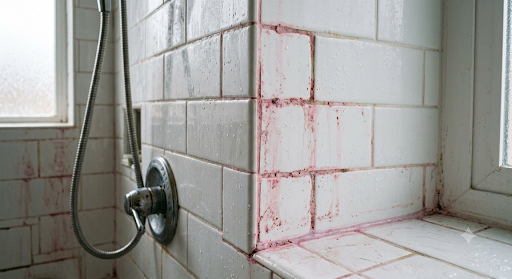
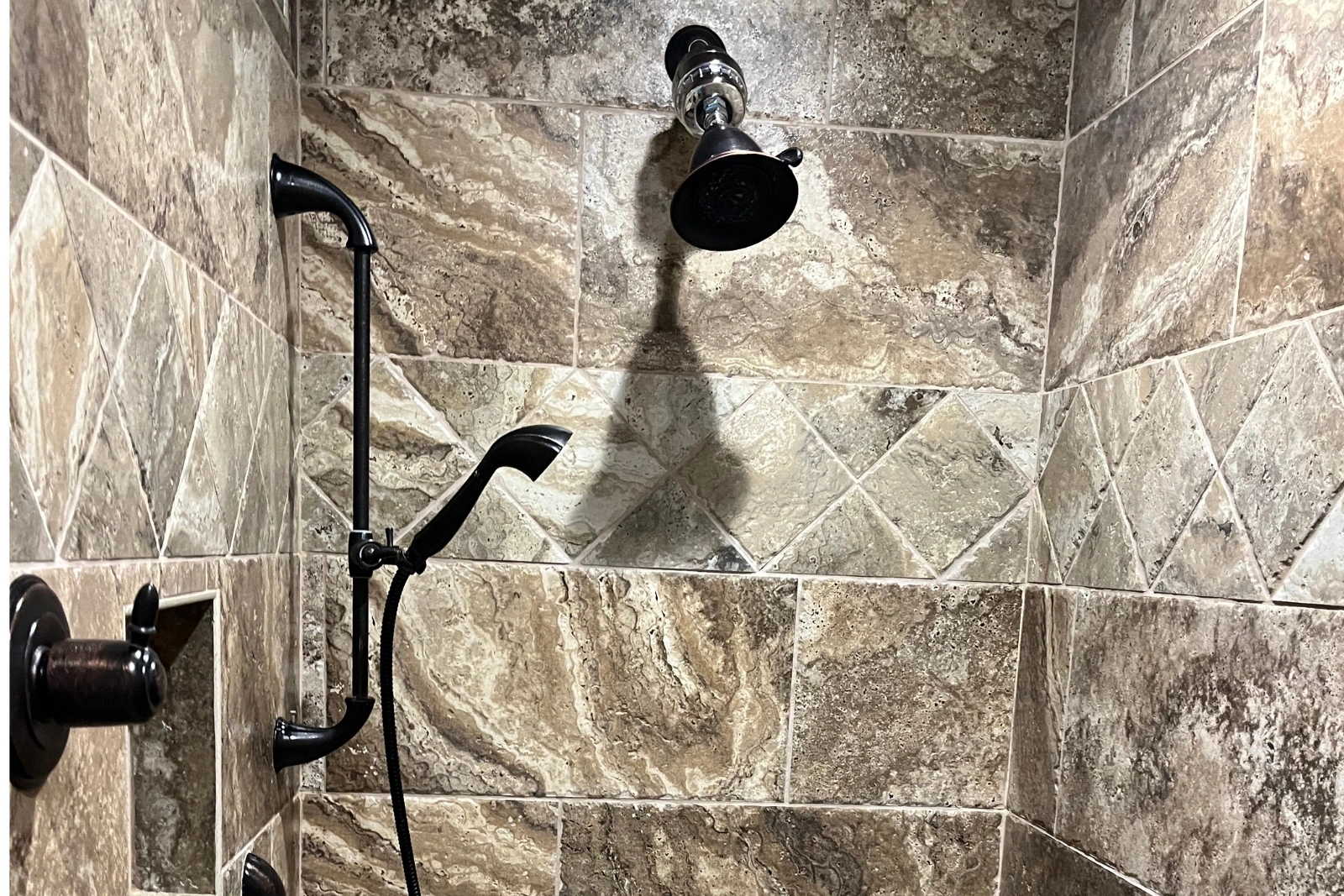
Color sealing often pairs with other work. If your bathroom tile looks dated or the caulk has gone moldy, shower refurbishing brings the walls and floor back to life without a full remodel. For lasting protection on tile and countertops, ceramic coating adds a durable layer that makes daily cleaning faster and keeps surfaces looking new for years.
Stop Scrubbing and Start Sealing Your Grout
Clean grout that still looks dirty is not a sign you scrubbed wrong. It means the stains are below the surface where cleaning cannot reach, and color sealing covers what cleaning cannot. Once it is done, you spend less time on your knees and more time enjoying a floor that actually looks clean. If your grout lines in Amarillo still look gray no matter how hard you work, request a free estimate from Amarillo Dry Carpet and Cleaning Services and let a trained team restore them.
Frequently Asked Questions
Why does my grout look dirty right after I clean it?
Grout is porous, so stains soak below the surface where a brush cannot reach. You clean the top while the discoloration stays trapped underneath, which is why the lines still look gray.
Does grout color sealing change the color of my grout?
It can, but only if you want it to. Color sealing can match your original color for a fresh look, or switch the grout to an entirely new shade.
How long does grout color sealing last?
A quality color seal lasts for years with normal care. It blocks the pores that let dirt and moisture in, so the grout stays cleaner far longer than scrubbing alone.
Can color sealing fix the grout in my shower?
Yes. Color sealing works well in showers and often pairs with shower restoration to refresh dingy tile and grout without a full remodel.
Is color sealing better than replacing grout?
For most homes, yes. Replacing grout is costly and risks damaging tile, while color sealing covers stains and restores a like-new look for a fraction of the price.